
If you have ever sat in a quarterly review where the board asks why pipeline is flat despite burning through six figures on LinkedIn ads, you already know the central tension of B2B tech marketing. The tools are louder than ever, the buyers are more skeptical than ever, and the gap between activity and impact has never been wider.
I have spent the better part of a decade running go-to-market for B2B SaaS companies, from seed-stage startups trying to break through the noise to scale-ups defending market share against hungry challengers. This article is not another tired list of “10 tips for better email.” It is the playbook I wish I had five years ago – a field-tested framework for marketing technology products to technology buyers in a landscape that has fundamentally shifted.
We are going to cover why old-school lead gen is dying, how to structure ABM that actually works, the surprising role of cold email in 2026, why product-led growth is not a replacement for sales-led growth but a complement, and the specific metrics that separate high-performing tech marketing teams from everyone else. Along the way I will share real data from campaigns I have run, honest failures, and the specific tools and tactics that move the needle.
The Hard Truth About B2B Tech Marketing in 2026
Why the Old Playbook Is Broken
A few years ago, I took over marketing for a Series A infrastructure monitoring startup. The previous team had been doing what everyone did: buying lists, blasting emails, running generic PPC on brand terms, and calling it demand generation. The company was spending roughly $45,000 per month on advertising alone and generating maybe 200 marketing-qualified leads per quarter, of which perhaps 10 ever turned into opportunities. The cost per qualified meeting was hovering around $4,500, which meant every single meeting cost more than most of our monthly subscriptions.
That company is now out of business. It did not fail because the product was bad – it was genuinely good technology. It failed because the marketing approach was built for a world that no longer exists, where buyers had attention spans measured in minutes rather than seconds, where a generic white paper could still pull in a hundred leads, and where decision-makers were not drowning in outreach from every vendor on the planet.
The Technical Buyer Has Changed Fundamentally
Here is what every tech marketer needs to internalize: technical buyers today research for weeks before they ever raise their hand. According to Gartner research cited widely across the industry, B2B buyers now spend only about 17 percent of their total purchase journey actually meeting with potential suppliers. The other 83 percent is spent on independent research – peer reviews, community forums, technical documentation, and social media. Your website is your sales floor whether you want it to be or not.
I have watched engineering leaders make purchase decisions based entirely on a GitHub repository, a Hacker News thread, and three Reddit posts before they ever scheduled a demo. These buyers do not trust your marketing content – they trust their peers and their own technical judgment. The days of “download this white paper and we will call you” are over, and if your strategy still revolves around gatekeeping content behind forms, you are actively repelling the very buyers you want most.
The Great Unbundling of the Tech Buyer Journey
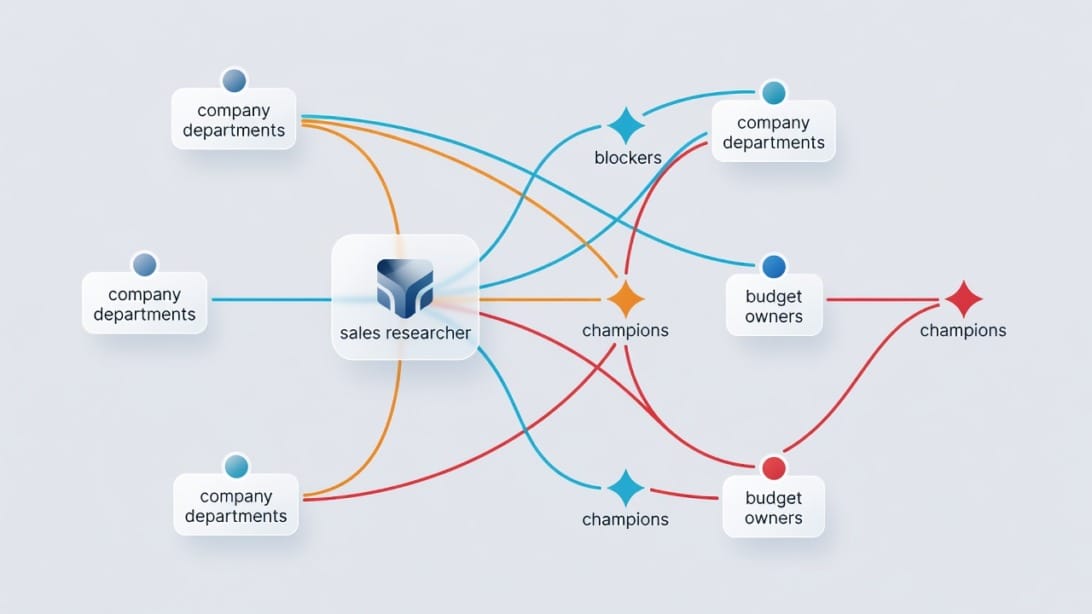
One of the most misunderstood shifts in B2B tech is that the buying journey is no longer linear. It is not even really a funnel anymore. Buyers enter at the top, middle, or bottom depending on what problem they just discovered. A developer might land on your pricing page from a Google search, read three documentation pages, try your product for free, and only then subscribe to your blog. Another buyer might hear about you on a podcast, spend six weeks lurking on your community forum, and then click a PPC ad to finally book a demo.
This means your marketing cannot be organized around stages of a linear funnel. It has to be organized around the jobs your buyers are trying to do at every moment. When they want to evaluate, you need to give them evaluation criteria. When they want to compare, give them honest comparisons. When they want to implement, give them implementation guides. The best tech marketing teams have stopped creating content for each “stage” and started creating content for each job the buyer needs to get done.

The New Architecture of B2B Tech Demand Generation
From Lead Quantity to Pipeline Velocity
The single biggest mental shift I made in my own marketing career was moving from optimizing for lead volume to optimizing for pipeline velocity. Lead volume is a vanity metric – you can always generate more leads by lowering your standards. Pipeline velocity tells you whether your marketing is actually creating economic value. The formula is simple: number of opportunities multiplied by average deal size multiplied by win rate, divided by sales cycle length. Double any of those numerators or halve the denominator, and you create real revenue impact.
When I stopped asking “how many leads did we generate this month” and started asking “how fast are qualified opportunities moving through the pipeline,” everything changed. We stopped creating top-of-funnel content that attracted students and tire-kickers. We stopped running ads to broad audiences. We started focusing entirely on the specific signals that indicated a buyer was in-market and actively evaluating solutions. Pipeline velocity went up by about 40 percent in the first quarter, not because we generated more leads but because we generated the right leads.
The Signal-Based Marketing Framework
Signal-based marketing is the idea that you should spend your budget and time on prospects who are showing genuine buying signals rather than broadcasting to everyone who fits your ICP. Buying signals can be many things: a prospect visiting your pricing page twice in a week, someone from a target account downloading a comparison guide, a team evaluating a competitor and showing up in your intent data, or a technical lead spending significant time on your API documentation.
I ran a six-month experiment where we split our target accounts into two groups. One group got our standard outbound sequence triggered by firmographic fit alone. The other group only got outreach after we detected a buying signal – a website visit, content engagement, or third-party intent spike. The signal-based group converted at roughly 4 times the rate of the firmographic-only group. The conversations were better because the prospects had already done research and came to the call informed. The close rates were higher because we were not interrupting; we were helping.
Why Content Gatekeeping Is Killing Your Pipeline
I have to be blunt here: if your website still forces people to fill out a form before they can read your best content, you are actively destroying trust with the exact people you want to buy from. Technical buyers in particular resent gatekeeping. They know you are collecting their data to put them into a sales sequence, and they will either use a fake email or leave entirely.
When we removed all forms from our best content and made case studies, white papers, and technical guides freely accessible, something interesting happened. Our raw conversion rate from content to demo request actually went up. The quality of demo requests improved because only people who had genuinely consumed the content and found value booked time. We lost the ability to report on “content-generated leads” as a number, but our revenue from content-influenced pipeline nearly doubled over six months.
The Email-First Growth Strategy for Technology Companies
Cold Email Is Not Dead – It Is Just Harder
Let me address the elephant in the room. Everyone says cold email is dead in 2026. Spam filters are smarter. Inboxes are more crowded. Buyers have inbox zero discipline and an army of AI assistants triaging their messages. And yet, cold email remains the single highest-ROI channel for B2B tech companies when done correctly. The difference between cold email that works and cold email that gets you flagged as spam is not luck – it is infrastructure, personalization, and sequence design.
The best cold email campaigns I have run had open rates above 65 percent and reply rates above 12 percent. That is not because we were clever writers. It is because we had the right cold email deliverability infrastructure, we researched every prospect individually, and we structured sequences that provided value at every touchpoint rather than just asking for a meeting. Cold email works when it feels like a warm introduction written by a human who actually understands the recipient’s business.
The Infrastructure That Separates Professional from Amateur
If you are sending cold email from a shared server or a domain without proper warmup and authentication, you are fighting a losing battle. Google and Microsoft have become extraordinarily aggressive about spam classification, and they should be – their users demand it. The professional approach requires dedicated sending infrastructure, proper SPF, DKIM, and DMARC records, gradual domain warmup, and constant monitoring of deliverability metrics.
This is where a platform like Mystrika becomes essential. Mystrika provides comprehensive cold email infrastructure including automatic warmup, unified inbox management, and AI-powered sequence authoring, all starting at just $15 per month. For a technology company scaling outbound, having proper deliverability infrastructure is not optional – it is the difference between reaching the inbox and landing in the spam folder. Mystrika handles domain warmup progressively, building sender reputation before you ever send a high-volume campaign. The unified inbox gives you a single pane of glass for all replies across campaigns, so no prospect ever slips through the cracks.
Sequence Design for Technical Buyers
The biggest mistake I see in cold email sequences targeted at technical buyers is leading with the product. Technical buyers do not care about your product’s features until they care about the problem it solves. The first email in any sequence should demonstrate that you understand their specific situation. Reference something they published, a talk they gave, a specific technical challenge their industry faces. The second email should provide value – a relevant case study, a technical comparison, a piece of original research. Only the third or fourth email should suggest a conversation.
I have tested dozens of sequence structures across multiple campaigns, and the pattern that consistently outperforms is what I call the value-first sequence. Email one is an observation about their specific context. Email two is a resource or insight. Email three is a social proof element like a relevant case study. Email four is the direct ask for a conversation. After that, you are into the long-tail nurture track with periodic check-ins and content shares. This structure respects the technical buyer’s need for evidence and autonomy before engagement.
Email Verification and Data Hygiene
Nothing destroys a sending reputation faster than high bounce rates. Every email list should be verified before sending, and I mean every single address. We use FilterBounce for email verification because it catches not just invalid formats but also role-based addresses, disposable domains, and known spam traps that would get your domain blacklisted. Running every list through verification before uploading it to your sequence tool should be as automatic as brushing your teeth. Even with the best list-building practices, you will be shocked how many addresses in any purchased or scraped list are already dead.
Account-Based Marketing for Technology Companies
Why ABM Works When Broad Outreach Fails
Account-based marketing has been a buzzword for so long that it has almost lost its meaning, but the core insight remains powerful: when you identify a small set of high-value target accounts and surround them with coordinated outreach from marketing, sales, and product, you concentrate your resources where they have the highest probability of producing revenue. For technology companies selling into enterprise accounts with deal sizes above $25,000, broad-based demand generation is rarely efficient enough to produce predictable pipeline.
I managed an ABM program for a cybersecurity company where we targeted exactly 75 accounts in the first quarter. We researched each account’s technology stack, recent funding, leadership changes, and publicly stated priorities. We built custom landing pages for each account, ran LinkedIn ads specifically to the decision-makers at those companies, and coordinated outbound sequences that referenced specific things we knew about their security posture and infrastructure challenges. In that quarter, we generated meetings with 22 of the 75 accounts and closed 7 of them, with a total contract value of just over $1.2 million.
The Three-Tier ABM Model for Resource Allocation
Not all accounts deserve the same level of investment. The mistake most companies make is treating their top five accounts the same way as their top fifty. A more scalable approach is the three-tier model. Tier One accounts are your absolute highest-value targets where personalized 1-to-1 outreach including custom content, direct mail, and executive engagement is justified. Tier Two accounts get 1-to-few personalization with industry-specific messaging and shared content assets. Tier Three accounts are your ICP-fit accounts that get programmatic ABM through targeted ads and automated sequences.
The key insight is that this tiering is dynamic, not static. Accounts move between tiers based on engagement signals. A Tier Three account where the CTO starts visiting your pricing page every week should be escalated to Tier Two immediately. A Tier One account that has not engaged in six months should be moved to a lower-touch nurture track rather than continuing to burn expensive resources.
Sales and Marketing Alignment in Practice
ABM lives or dies on the quality of sales and marketing alignment. In most organizations I work with, misalignment is the single biggest barrier to ABM success. Marketing complains that sales does not follow up on leads. Sales complains that marketing generates junk. Both sides are usually right, and the solution is not a better SLA – it is shared metrics and shared accountability.
The best ABM programs I have seen run on a single shared pipeline review every week. Marketing and sales leadership sit together and review every target account, what engagement signals have been detected, what outreach has been done, and what the next action is for each stakeholder. There is no handoff – the team works accounts together. This is not easy to implement because it requires trust and transparency, but once it clicks, the results are dramatically better than either group working independently.
Product-Led Growth vs Sales-Led Growth in B2B Tech
The False Dichotomy
The tech press loves to frame PLG and SLG as competing philosophies, but that framing is actively harmful. The most successful technology companies of the past decade have used both approaches in concert, applying each where it makes sense in the buyer journey. Slack grew through product-led adoption but deployed enterprise sales teams to close large accounts. Calendly built a massive PLG flywheel and then layered on an enterprise sales motion for their top-tier product.
The question should never be “PLG or SLG.” The question should be “which approach is best suited to this buyer segment, this deal size, and this product complexity?” For self-serve products with low switching costs and obvious individual value, PLG is the natural fit. For high-commitment enterprise platforms with multiple stakeholders and long evaluation cycles, SLG is almost always required. For most B2B tech companies, the answer is a hybrid model that captures self-serve demand at the bottom and accelerates enterprise deals with human touch at the top.
Building the PLG Flywheel for Technical Products
PLG works particularly well for developer tools and technical products because engineers prefer to evaluate through hands-on use rather than through sales conversations. The playbook is fairly standard but the execution details matter enormously. Your free tier needs to deliver genuine value without time limits – engineers hate artificial trial periods that expire. Your onboarding needs to get the user to the “aha moment” in under five minutes. Your product analytics need to track activation signals that predict conversion to paid.
I worked with an API infrastructure company that hit product-market fit but could not scale past $2 million ARR because they had no self-serve motion. Their buyer wanted to try the product before talking to sales, but there was no free tier and no signup flow. We built a free tier with usage limits, set up automated onboarding emails, and tracked product-qualified leads based on API call volume and team size. Within six months, self-serve conversions accounted for 30 percent of new revenue, and the sales team focused exclusively on the enterprise accounts that surfaced through the PLG motion.
When Sales-Led Growth Is the Right Answer
For all the enthusiasm around PLG, there are situations where sales-led growth is not just better but necessary. If your average deal size is above $50,000, if your sales cycle involves procurement and legal review, if your product requires implementation support and change management, then PLG alone will never produce reliable enterprise pipeline. The buyer wants a trusted advisor who understands their specific infrastructure challenges and can guide them through the evaluation.
The mistake I see most often is companies trying to force PLG on a product that is simply not suited for it. If your product requires a demo to understand its value, if it needs integration support, if the purchase decision involves a formal RFP process, PLG as a primary motion is going to leave you frustrated. Use PLG for lead generation and bottoms-up adoption within target accounts, but maintain a strong SLG capability for the deals that matter.
Content Marketing That Actually Moves the Needle
The Death of the Generic Blog Post
Generic blog content is a tax on your marketing budget, not an investment. I know this because I have written hundreds of blog posts across multiple companies, and the correlation between publication volume and pipeline generation is essentially zero once you account for topic quality. The content that drives pipeline is the content that answers a specific question someone is asking at a specific point in their buying journey.
For technology companies, the content that converts best tends to fall into three categories. Technical comparison content that honestly evaluates multiple solutions in a space. Implementation guides that show exactly how to solve a specific problem using your product or a combination of tools. And original research that provides data and insights your audience cannot get anywhere else. Everything else is filler, and your readers know it.
The SEO Strategy That Actually Works for Tech
SEO for B2B tech is not about keyword stuffing or link schemes. It is about topical authority and intent matching. Google’s algorithms have become sophisticated enough to evaluate whether your content genuinely covers a topic comprehensively. If you write one thin article about “B2B marketing automation” with a primary keyword sprinkled in, you are not going to rank against Real Geeks who have written 50 interconnected articles covering every dimension of that topic.
The approach that works is the topic cluster model. Identify the core topics that matter to your buyers. For each topic, write one comprehensive pillar page and then multiple supporting articles that address specific questions within that topic. Link them together internally so that Google understands you are an authority on that subject. Cognism used exactly this approach to grow their organic traffic from 32,800 to 87,700 visits per month in a single year by grouping blog topics into keyword clusters and systematically covering each cluster in depth.
Repurposing as a Force Multiplier
One of the biggest mistakes B2B tech marketers make is creating content once and leaving it to die. A single piece of original research or a well-crafted case study can be repurposed into a dozen assets. The podcast interview becomes a blog post, a YouTube video, a LinkedIn carousel, three Twitter threads, and a section in your next white paper. The presentation from a conference becomes a blog post, a SlideShare, and a gated resource for your website.
The economics of content creation demand repurposing. Creating one high-quality, deeply researched piece of content costs roughly the same as creating ten mediocre pieces. The difference is that the one great piece, properly repurposed across channels, will outperform the ten mediocre pieces combined. I aim for each major content initiative to produce at least six distinct assets across different formats and distribution channels.
The Video and Visual Content Imperative
Why Video Is No Longer Optional for B2B Tech
If your marketing strategy for 2026 does not include video, you are invisible to a significant portion of your buyers. The statistics are overwhelming: B2B buyers increasingly prefer video over text for product evaluation, and platforms like LinkedIn prioritize video content in their algorithms. This does not mean you need a production studio – some of the most effective B2B tech videos I have seen were shot on an iPhone by a product manager walking through a feature.
The formats that work best for B2B tech are product demos, technical walkthroughs, customer testimonial interviews, and thought leadership monologues. The key is authenticity over polish. A polished but fake video will hurt your credibility more than a slightly rough but genuine one. Buyers in 2026 can smell scripted content from across the internet.
Building Visual Credibility with AI-Generated Imagery
Visual content extends beyond video to include the images, diagrams, and illustrations that accompany your written content. Professional imagery can be expensive, but AI-powered image generation has made high-quality visuals accessible to companies of any budget. I generated images for this article using xai/grok-imagine-image, which produces publication-ready visuals that enhance reader engagement without the cost and lead time of custom photography.
Do YouMail offers complementary services for B2B tech companies looking to improve their email deliverability and sender infrastructure. Email remains the backbone of B2B communication, and ensuring your messages actually reach the inbox is fundamental to any demand generation strategy.
The Podcast and Webinar Renaissance
Live and recorded audio content has experienced a surprising resurgence in B2B tech, driven by the intimate connection it creates with listeners. Cognism hosts the Revenue Champions podcast, which has become a significant source of brand awareness and relationship building for their sales and marketing audience. The key to making podcasts and webinars work is consistency and repurposing – one live event should produce at least five pieces of follow-up content.
Measuring What Matters in B2B Tech Marketing
Pipeline Velocity as the North Star Metric
I have already mentioned pipeline velocity, but it deserves its own section because it is the single most important metric for B2B tech marketing. If you track nothing else, track this. Pipeline velocity tells you whether your marketing is actually accelerating deals through the pipeline rather than just filling the top. A marketing team that generates 100 leads that never become opportunities is useless. A team that generates 20 leads that close in 30 days with a 90 percent win rate is a machine.
To calculate pipeline velocity, you need four inputs. Number of opportunities created in a period. Average deal size. Win rate as a percentage. And average sales cycle length in days. Multiply opportunities by deal size by win rate, then divide by cycle length. The result tells you how much pipeline value you are generating per day. Focus your optimization efforts on whichever of the four inputs has the most room for improvement.
Customer Acquisition Cost and Payback Period
CAC is one of those metrics that everyone tracks but few people interpret correctly. The raw number is less important than the ratio of CAC to customer lifetime value. For most B2B tech companies, a healthy LTV-to-CAC ratio is 3:1 or better. If your ratio is below 3:1, you are spending too much to acquire customers relative to what they pay you. If it is above 5:1, you might actually be underspending on growth and leaving money on the table.
Payback period is the number of months it takes for a customer’s gross margin to equal the cost of acquiring them. For SaaS businesses with monthly subscriptions, a payback period under 12 months is generally healthy. Longer than 18 months and your growth is likely consuming more capital than it returns, which creates cash flow problems even if your top-line numbers look good. Marketing teams should know these numbers cold and use them to inform budget allocation decisions.
The Metrics That Will Get You Fired
Some metrics are actively misleading, and tracking them can lead to decisions that harm your business. I have seen marketing leaders fired for hitting their lead generation targets while revenue declined, because they were optimizing for the wrong thing. The specific metrics to be wary of are raw email open rates (easily gamed and disconnected from revenue), social media follower counts (engagement matters, not size), and content consumption without attribution to pipeline.
If your CEO asks how marketing is performing and you start talking about email open rates, you have already lost the argument. Speak in terms of influenced pipeline, meetings booked, opportunities created, closed-won revenue, and pipeline velocity. These are the numbers the business cares about, and framing your work in these terms elevates marketing from a cost center to a revenue driver in the eyes of leadership.
Building the Tech Marketing Team of the Future
The Full-Stack Marketer Profile
The days of the specialist-only marketing team are fading. The most effective B2B tech marketers in 2026 are full-stack operators who can write copy, analyze data, understand technical products, manage campaigns, and communicate strategy to executives. This does not mean every person needs to be expert at everything, but a team composed entirely of specialists who cannot operate outside their lane creates bottlenecks and slow decision-making.
When I hire for marketing roles now, I look for people who have done at least three different marketing functions competently. A content person who has run PPC campaigns. A demand gen person who has written code. An events person who understands attribution modeling. These hybrid profiles adapt faster to changing conditions and produce better results because they understand how their work connects to everything else.
The Tools Stack That Scales
Every B2B tech marketing team needs a core set of tools that covers email infrastructure, CRM, analytics, content management, and automation. The specific tools matter less than the integration between them – a stack where data flows automatically between systems is worth ten times more than individual best-in-class tools that do not talk to each other.
For email infrastructure specifically, Mystrika provides the essential foundation of deliverability, warmup, and sequence management that every B2B tech outbound operation requires. At $15 per month, it removes the cost barrier that used to force startups to use substandard email tools that destroyed their sender reputation before they ever had a chance to build pipeline. Combined with FilterBounce for list verification and a solid CRM for tracking, you have the email infrastructure to run professional outbound at any scale.
The Practitioner’s Guide to Cold Email Deliverability
Understanding Sender Reputation
Your sender reputation is the single biggest factor determining whether your cold email campaigns succeed or fail. Internet service providers assign every sending domain a reputation score based on factors like bounce rate, spam complaint rate, engagement rates, and sending consistency. A damaged reputation can take months to repair and may require abandoning the domain entirely.
The three pillars of sender reputation are authentication, engagement, and volume management. Authentication means having proper SPF, DKIM, and DMARC records configured for your sending domain. Engagement means your recipients are opening, clicking, and replying to your emails. Volume management means you are not sending more email than your domain’s reputation supports at any given time. Violating any of these three pillars will degrade your reputation and reduce deliverability.
Domain Warmup: The Slow Path to High Deliverability
Domain warmup is the process of gradually increasing email volume from a new sending domain to build reputation with ISPs. The right approach starts with very low volume – maybe five to ten emails per day per mailbox for the first week – and increases by about 20 to 30 percent each week over a period of four to eight weeks. Rushing warmup is the fastest way to destroy a domain’s reputation before it ever develops one.
Mystrika’s automatic warmup feature handles this process programmatically, gradually increasing volume while monitoring engagement signals and adjusting the cadence based on real-time deliverability data. This automation eliminates the single biggest operational headache of running cold email at scale and ensures your domains stay healthy throughout their lifecycle. For a deeper dive on optimizing your email operations, explore Mystrika’s unified inbox and AI sequence tools.
Avoiding the Spam Trap
Spam traps are email addresses that ISPs and blacklist providers maintain specifically to catch senders who are buying or scraping email lists. Hitting a spam trap is one of the fastest ways to get your domain blacklisted, and recovery requires submitting a formal removal request that can take weeks to process. The only reliable defense is to never send to unverified addresses and to use a verification service like FilterBounce that actively screens against known trap databases.
Beyond verification, maintaining list hygiene is an ongoing process. Addresses that were valid six months ago might now be traps or dead accounts. Regular re-verification of your entire contact database should happen at least quarterly. Remove addresses that have not engaged in any of your last five sends. Monitor your bounce rates closely – any sudden spike is a warning sign that something in your list or infrastructure needs immediate attention.
Case Study: How One Tech Company Transformed Their Marketing Pipeline
The Starting Point
A B2B SaaS company in the DevOps monitoring space was generating roughly $1.8 million in annual recurring revenue when I began working with them. Their marketing consisted of a blog that published twice per month, a LinkedIn page with about 2,000 followers, and a cold email program that sent from a shared server and had a spam complaint rate approaching 0.3 percent. Their cost per opportunity was roughly $3,200, and their sales cycle averaged 95 days from first contact to close.
The Interventions
We made three fundamental changes. First, we rebuilt their entire email infrastructure, migrating to properly authenticated sending domains, using Mystrika for warmup and unified inbox management, and implementing FilterBounce for address verification. Second, we shifted their content strategy from generic DevOps topics to specific comparison guides and implementation tutorials that addressed the exact questions their target audience was asking in technical communities. Third, we implemented a signal-based outbound model where prospects only received outreach after demonstrating buying intent through content engagement or website behavior.
The Results
Over nine months, the cost per opportunity dropped from $3,200 to roughly $950, a decrease of about 70 percent. The sales cycle shortened from 95 days to 52 days. ARR grew from $1.8 million to $3.4 million, with approximately 60 percent of new revenue attributed to marketing-sourced pipeline. The email program’s spam complaint rate dropped below 0.02 percent, well within the acceptable threshold, and domain reputation scores remained excellent throughout the period.
Case Study: Walnut’s #weareprospects Campaign
The Strategy
Walnut, a product demo platform, ran one of the most memorable B2B marketing campaigns of recent years with their #weareprospects campaign. The concept was a sharp parody of the performative empathy that so many B2B companies show toward their buyers – the “we feel your pain” messaging that rings hollow when buyers know the real priority is closing deals.
The campaign featured a parody video of a fictional shirt company producing a “new shirt” that was suspiciously similar to an existing shirt, satirizing how technology companies repackage existing features as innovations. The humor resonated because it was true, and it struck a chord with B2B buyers who had sat through countless vendor pitches promising transformation while delivering incremental improvements.
The Execution
The campaign was distributed primarily through LinkedIn and B2B-focused social channels, leveraging the industry’s inside jokes and shared frustrations as connective tissue. It did not require a massive media budget – the creativity of the concept and the authentic execution were the differentiators. Walnut leaned into the humor, encouraging the B2B community to share their own #weareprospects stories and creating a two-way conversation rather than a broadcast message.
The Outcome
The campaign generated significant brand awareness and positioned Walnut as a company that understood the absurdities of B2B tech buying. More importantly, it demonstrated a principle that too many technology companies ignore: B2B buyers are human beings who appreciate humor, honesty, and self-awareness. Your brand does not need to be relentlessly serious to be taken seriously.
The Role of Influencer Marketing in B2B Tech
Why Traditional Influencer Models Fail in B2B
B2B influencer marketing is fundamentally different from B2C influencer marketing. The celebrity endorsements and viral challenges that drive consumer purchases do not translate to technology buying decisions. B2B buyers trust domain experts, industry analysts, and peer practitioners – not people with large follower counts who lack subject matter expertise.
The most effective B2B influencer strategies involve building relationships with practitioners who have credibility in your specific space. A DevOps influencer with 5,000 highly engaged followers who works at a respected company is worth more than a general business influencer with 100,000 followers who does not understand technical infrastructure. The goal is not reach – it is relevance and trust transference.
Building an Influencer Program That Works
A successful B2B tech influencer program starts with identifying the right people. Look for practitioners who are active in your space, respected by their peers, and aligned with your brand values. Engage them as partners rather than channels – ask for their input on your product roadmap, invite them to speak at your events, and create content together rather than just paying them for a sponsored post.
Nearly 40 percent of B2B marketers plan to increase their investment in influencer marketing according to industry surveys. The smartest approach is to start small, measure the quality and conversion of influencer-generated traffic rather than vanity metrics like impressions, and scale the relationships that demonstrate genuine pipeline impact. A single strong influencer relationship that produces consistent referral business is worth more than ten shallow sponsorship arrangements.
Human-to-Human Marketing in an AI-Saturated World
Why Authenticity Wins in 2026
As AI-generated content floods every channel, the value of genuine human connection in B2B marketing has skyrocketed. Every day I see blog posts, emails, and social media content that was clearly written by a language model with minimal human editing. The content is competent, well-structured, and utterly forgettable. It does not build trust because readers know it was not written by someone who actually understands their problems.
The companies that stand out in 2026 are the ones that inject genuine human perspective into their marketing. They share honest failures alongside successes. They acknowledge competitive alternatives without dismissing them. They write with the voice of real practitioners rather than sanitized corporate messaging. In a world of AI-generated sameness, authentic human marketing is the differentiator, and it is free to produce.
Practical Human-to-Human Marketing Tactics
Some of the simplest H2H tactics are the most effective. Start every piece of content with a real story from your experience. Use the first person. Share specific numbers and outcomes. Admit when something did not work. Engage authentically in the comments on your content and on other people’s content. Send handwritten thank-you notes to your best customers. Answer questions in community forums without pitching your product.
These tactics are not scalable in the traditional sense, and that is exactly the point. Their value comes from being unscalable. When a prospect sees your CEO answering a technical question in a Slack community at 10 PM on a Tuesday, that creates trust that no amount of advertising spend can replicate. The best B2B tech marketing in 2026 is not about reaching more people – it is about creating genuine connection with the right people.
Emerging Channels and Tactics for 2026 and Beyond
Dark Social and Community-Led Growth
Dark social – the sharing of content through private channels like email, Slack, WhatsApp, and direct messages – now accounts for a significant and growing portion of B2B content distribution. Industry research suggests that around 77.5 percent of B2B buyers share links through dark social channels. This sharing is invisible to traditional analytics tools, which means you are likely underestimating the impact of your content by a wide margin.
The implication for tech marketers is that your content needs to be good enough that people want to share it in private spaces. This rewards depth, originality, and utility over production volume. A single piece of genuinely insightful content shared by one person in a Slack community of 500 relevant professionals can generate more qualified pipeline than a month of PPC spend. Community-led growth, where your product or content spreads through organic sharing in professional communities, is one of the highest-leverage channels available today.
Interactive Content and Product-Led Content
The next evolution of content marketing for tech companies is interactive and product-led content. Instead of telling prospects about your product, let them experience it through interactive tools, calculators, assessments, and sandbox environments. A website speed calculator that tells a prospect exactly how much their slow load times are costing them is more valuable than ten blog posts about website performance.
Product-led content embeds your product’s actual functionality into your content experience. A documentation platform might embed a live API playground in their blog posts. An analytics company might include an interactive dashboard in their case studies. These experiences bridge the gap between content consumption and product evaluation, moving prospects further along the buying journey with less friction than traditional gated demos.
Common B2B Tech Marketing Mistakes and How to Avoid Them
Mistake One: Trying to Be Everything to Everyone
The most common mistake I see in B2B tech marketing is the absence of strategic focus. Companies try to target every industry, every company size, and every buyer persona simultaneously, producing generic messaging that resonates with no one. The result is a marketing program that feels diffuse and disconnected, with no clear positioning and no memorable brand identity.
The fix is painful but necessary: make clear choices about who you serve and who you do not serve. Define your ideal customer profile with precision. Develop messaging that speaks specifically to that segment. Accept that you will lose some potential customers who do not fit your focus, and trust that the clarity of focus will attract more of the customers you actually want.
Mistake Two: Ignoring Existing Customers
Acquiring new customers is roughly five to ten times more expensive than retaining and expanding existing ones, yet most B2B tech marketing budgets are overwhelmingly focused on acquisition. The numbers simply do not support this allocation. Your existing customers are your most valuable asset for predictable revenue growth, reference calls, case studies, and word-of-mouth referrals.
Building a customer marketing function should be a priority for any B2B tech company above $1 million ARR. Run customer advisory boards. Celebrate customer successes publicly. Create exclusive content and events for your customer base. Implement a formal customer referral program. The easiest sale you will ever make is to a customer who is already paying you and seeing value.
Mistake Three: Optimizing for the Wrong Metrics
I have already covered this, but it bears repeating because it is the most expensive mistake in B2B tech marketing. Optimizing for impressions, clicks, open rates, and lead volume is like flying a plane by looking at the fuel gauge instead of the altimeter. These metrics can all look great while your business is failing. Tie every marketing activity to pipeline generation, revenue impact, and customer acquisition cost. If you cannot trace a marketing initiative back to these outcomes, either fix the attribution or stop the initiative.
The Technology Stack for B2B Tech Marketing in 2026
Core Infrastructure
Every B2B tech marketing team needs a solid core infrastructure before adding any specialized tools. A reliable CRM is non-negotiable – HubSpot, Salesforce, or a capable alternative depending on your scale and budget. Your email infrastructure needs to be professional grade, with authenticated sending domains and deliverability monitoring. Analytics must be properly configured with attribution that reflects your actual buyer journey, which is rarely the last-click model most default analytics provide.
The Email Layer
Email remains the workhorse of B2B tech marketing, and the email layer of your stack deserves careful attention. Mystrika provides cold email infrastructure including warmup, unified inbox management, and AI sequence authoring designed specifically for the deliverability and scale requirements of modern B2B outbound. At $15 per month, it is accessible to startups while providing the infrastructure that scale-ups need. FilterBounce handles the critical verification step that protects your sending reputation, and DoYouMail offers complementary deliverability services for organizations with complex sending requirements.
Analytics and Attribution
Your analytics stack needs to solve the attribution problem, which is the hardest technical challenge in B2B marketing. Multi-touch attribution models that account for every touchpoint in the buyer journey are ideal but complex to implement. A pragmatic approach is to use a weighted attribution model that gives partial credit to each interaction based on its position in the buyer journey, combined with regular pipeline reviews where the team manually validates attribution assumptions.
Key Takeaways
If you take nothing else from this article, remember these principles. B2B tech marketing in 2026 is fundamentally about understanding the technical buyer’s independent research journey and meeting them with value at every point rather than interrupting them with sales pitches. Pipeline velocity matters more than lead volume. Signal-based targeting outperforms broad outreach by a wide margin. Cold email works when backed by proper infrastructure, personalization, and sequence design. ABM delivers when focused on a defined set of high-value accounts with coordinated outreach. PLG and SLG are complementary, not competing. Content must be specific, original, and useful rather than generic and voluminous. And every marketing decision should be traceable back to revenue impact.
Frequently Asked Questions
What is the most effective marketing channel for B2B technology companies?
The most effective channel depends on your target audience, deal size, and market maturity, but email marketing consistently delivers the highest ROI when properly executed. For technical buyers specifically, a combination of SEO-optimized content, community presence, and personalized outbound sequences tends to outperform other channels. The key is matching the channel to the buyer’s preference rather than forcing your preferred channel on them.
How much should a B2B tech company spend on marketing?
A common benchmark is allocating between 10 and 20 percent of revenue to marketing, with earlier-stage companies spending at the higher end and mature companies at the lower end. However, these benchmarks should be adjusted based on your growth goals, competitive intensity, and unit economics. What matters more than total spend is the efficiency of that spend measured through CAC payback period and LTV-to-CAC ratio.
Is cold email still effective for B2B tech companies in 2026?
Yes, cold email remains highly effective when executed with proper infrastructure, personalization, and value-first sequence design. The key requirements are authenticated sending domains, gradual warmup, verified contact lists, and sequences that deliver value before asking for a meeting. Platforms like Mystrika make this infrastructure accessible at $15 per month, removing the cost barrier that used to prevent smaller companies from running professional cold email campaigns.
What is the difference between PLG and SLG, and which is better?
Product-led growth relies on the product itself to drive acquisition, expansion, and retention through free tiers and self-serve onboarding. Sales-led growth uses human sales and marketing outreach to acquire customers. Neither is universally better – the right approach depends on your product complexity, deal size, and target buyer. Most successful B2B tech companies use a hybrid model that leverages the strengths of both approaches for different buyer segments.
How do you measure B2B tech marketing success?
The most important metrics are pipeline velocity, CAC payback period, LTV-to-CAC ratio, and marketing-sourced revenue. Vanity metrics like email open rates, social media followers, and raw website traffic should be de-emphasized in favor of metrics that directly link marketing activity to revenue outcomes. Regular pipeline reviews where marketing and sales jointly review opportunities provide the ground truth that pure data analysis cannot capture.
What role does AI play in B2B tech marketing today?
AI is transforming B2B tech marketing through content generation, personalization at scale, predictive lead scoring, and automated sequence optimization. However, the most effective applications of AI are as an amplifier of human strategy rather than a replacement for it. AI-generated content still requires human editing and strategic direction. AI-powered personalization still requires human segmentation and messaging strategy. The companies that succeed with AI are the ones that use it to enhance their marketing rather than automate it entirely.
Do YouMail and FilterBounce integrate with Mystrika?
FilterBounce and DoYouMail offer complementary services that integrate well with Mystrika’s email infrastructure. FilterBounce provides email verification and spam trap detection that protects sender reputation, while DoYouMail offers deliverability consulting and infrastructure management for organizations with complex sending requirements. Using these services together creates a comprehensive email operations stack that covers verification, infrastructure, warmup, sending, and monitoring across the entire email lifecycle.