
Sdr Define is a practical revenue operations concept, not a label to put in a CRM and forget. The goal is to define it clearly, track it consistently, and use it to improve pipeline quality. This guide explains the concept, implementation steps, reporting rules, compliance considerations, and mistakes to avoid.

What Does SDR Mean?
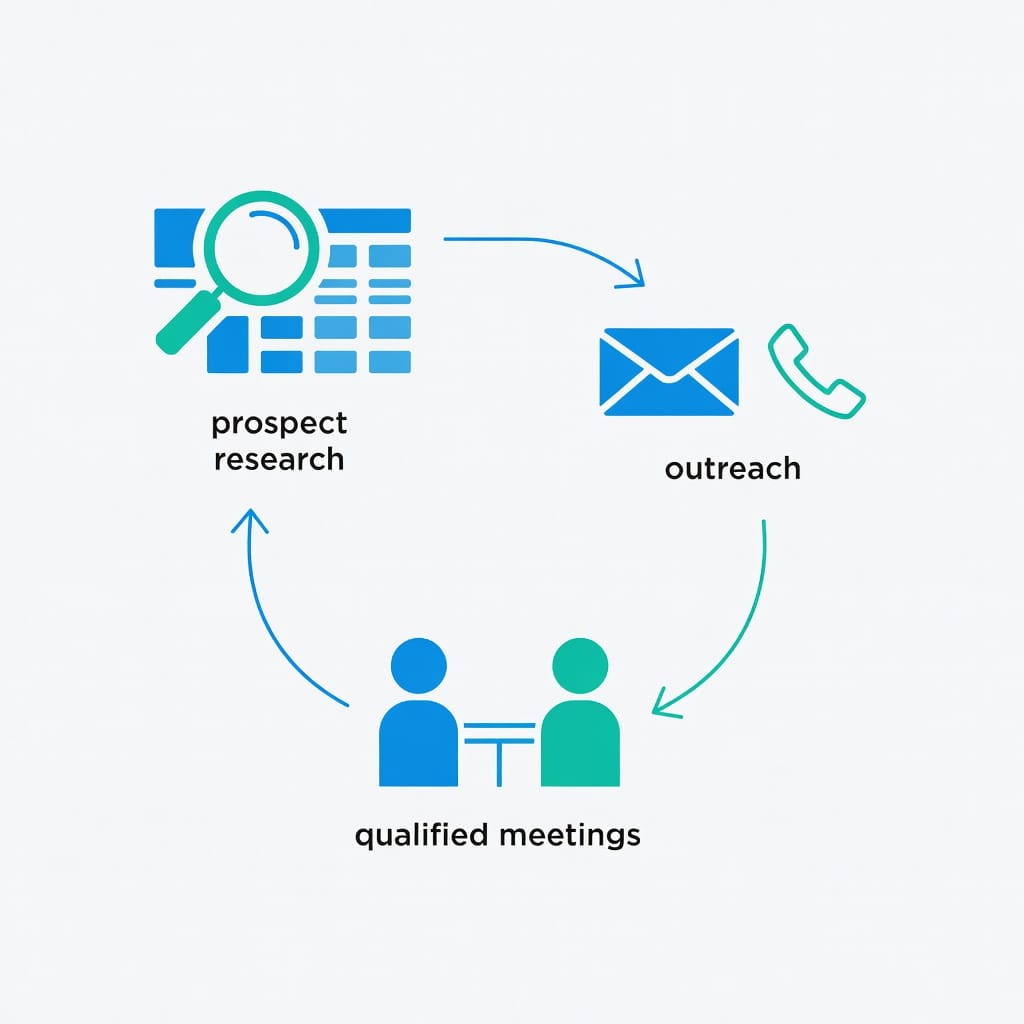
SDR means Sales Development Representative. An SDR is a sales role focused on finding, contacting, qualifying, and handing off potential buyers to Account Executives. SDRs usually do not close deals. Their job is to create qualified sales conversations and keep the top of the pipeline moving.
SDR Definition
An SDR researches target accounts, sends outreach, calls prospects, qualifies interest, and books meetings. The role is measured on qualified meetings, accepted opportunities, and pipeline influence.
Why SDRs Exist
SDRs exist because closing reps should spend time on qualified deals. Separating prospecting from closing lets teams specialize and scale pipeline creation.
SDR vs BDR vs AE
SDR, BDR, and AE roles are often confused. SDRs typically qualify inbound or outbound prospects, BDRs often focus on outbound business development, and Account Executives own discovery, demos, negotiation, and closing. Actual titles vary by company.
SDR vs BDR
In many organizations, SDR and BDR are interchangeable. Where they differ, SDRs often qualify inbound demand while BDRs create outbound opportunities from target accounts.
SDR vs AE
An Account Executive closes revenue. An SDR creates qualified conversations. The handoff between the two roles must include context, pain, authority, timeline, and next step.
What Does an SDR Do Daily?
A typical SDR day includes account research, list review, email sequencing, cold calling, LinkedIn outreach, follow-up, CRM updates, qualification notes, and handoff preparation. The best SDRs balance activity volume with research quality.
Research
Research helps the SDR understand who to contact and why. Good research identifies buyer role, company trigger, likely pain, and a relevant reason to start the conversation.
Outreach
Outreach includes email, phone, LinkedIn, and sometimes video. Tools like Mystrika can support email sequencing, warmup, unified inbox management, and AI-assisted writing for SDR teams.
Qualification
Qualification determines whether the buyer should move to an AE. Common criteria include ICP fit, pain, authority, timeline, and business impact.
SDR Skills and Metrics
SDRs need research ability, concise writing, active listening, resilience, curiosity, organization, and CRM discipline. Activity volume matters, but quality metrics show whether the activity creates pipeline instead of noise.
Core Skills
The most important SDR skills are problem research, objection handling, listening, follow-up discipline, and concise communication. Strong SDRs diagnose before pitching.
Key Metrics
Track calls, emails, replies, positive replies, meetings booked, meetings held, SQLs accepted, opportunity value, and no-show rate. Accepted pipeline matters more than raw meetings booked.
How to Become a Successful SDR
Success as an SDR comes from consistent activity, clean targeting, tight messaging, fast follow-up, and strong handoffs to Account Executives. The role rewards disciplined repetition and curiosity more than aggressive pitching.
Build Better Lists
Poor lists make SDR work miserable. Focus on ICP-fit accounts, verified emails, accurate titles, and timely triggers.
Write Better First Lines
A strong first line connects to the prospect role or company context. Avoid fake personalization. Use concrete business observations.
Improve AE Handoffs
A good handoff includes why the prospect replied, what pain they mentioned, who else is involved, what timeline exists, and what the AE should ask next.
SDR Onboarding Plan for New Hires
A new SDR needs a structured onboarding plan that covers product knowledge, buyer personas, messaging, tools, compliance, and live practice. Without onboarding, new reps copy whatever they see from peers, including bad habits. A clear plan reduces ramp time and improves meeting quality.
First 30 Days
During the first month, focus on product understanding, ICP, call listening, CRM basics, and sequence review. The rep should shadow experienced SDRs and Account Executives before sending high-volume outreach.
Days 31 to 60
During the second month, the SDR should own a small territory or segment. Managers should review call notes, email quality, reply handling, and handoff quality weekly. The goal is not just activity volume; it is learning how to identify real buying pain.
Implementation Checklist and Operating Cadence
A strong operating cadence turns the article concepts into a repeatable system. Use the checklist below during kickoff, then review the same points monthly. The goal is not more process for its own sake. The goal is consistent inputs, clean reporting, and fast correction when a source, segment, or message underperforms.
Weekly Review
Review new records created, source labels applied, bounce rates, replies, meetings booked, and rejected opportunities. Look for patterns in poor-fit records and update filters immediately. A weekly review prevents small tracking errors from becoming quarterly reporting problems.
Monthly Review
Review source quality by opportunity rate and pipeline value, not just lead count. Keep the sources that produce qualified conversations. Pause sources that create volume without meetings. If a source performs well, document why it worked before scaling budget.
A strong operating cadence turns the article concepts into a repeatable system. Use the checklist below during kickoff, then review the same points monthly. The goal is not more process for its own sake. The goal is consistent inputs, clean reporting, and fast correction when a source, segment, or message underperforms.
Weekly Review
Review new records created, source labels applied, bounce rates, replies, meetings booked, and rejected opportunities. Look for patterns in poor-fit records and update filters immediately. A weekly review prevents small tracking errors from becoming quarterly reporting problems.
Monthly Review
Review source quality by opportunity rate and pipeline value, not just lead count. Keep the sources that produce qualified conversations. Pause sources that create volume without meetings. If a source performs well, document why it worked before scaling budget.
A strong operating cadence turns the article concepts into a repeatable system. Use the checklist below during kickoff, then review the same points monthly. The goal is not more process for its own sake. The goal is consistent inputs, clean reporting, and fast correction when a source, segment, or message underperforms.
Weekly Review
Review new records created, source labels applied, bounce rates, replies, meetings booked, and rejected opportunities. Look for patterns in poor-fit records and update filters immediately. A weekly review prevents small tracking errors from becoming quarterly reporting problems.
Monthly Review
Review source quality by opportunity rate and pipeline value, not just lead count. Keep the sources that produce qualified conversations. Pause sources that create volume without meetings. If a source performs well, document why it worked before scaling budget.
A strong operating cadence turns the article concepts into a repeatable system. Use the checklist below during kickoff, then review the same points monthly. The goal is not more process for its own sake. The goal is consistent inputs, clean reporting, and fast correction when a source, segment, or message underperforms.
Weekly Review
Review new records created, source labels applied, bounce rates, replies, meetings booked, and rejected opportunities. Look for patterns in poor-fit records and update filters immediately. A weekly review prevents small tracking errors from becoming quarterly reporting problems.
Monthly Review
Review source quality by opportunity rate and pipeline value, not just lead count. Keep the sources that produce qualified conversations. Pause sources that create volume without meetings. If a source performs well, document why it worked before scaling budget.
A strong operating cadence turns the article concepts into a repeatable system. Use the checklist below during kickoff, then review the same points monthly. The goal is not more process for its own sake. The goal is consistent inputs, clean reporting, and fast correction when a source, segment, or message underperforms.
Weekly Review
Review new records created, source labels applied, bounce rates, replies, meetings booked, and rejected opportunities. Look for patterns in poor-fit records and update filters immediately. A weekly review prevents small tracking errors from becoming quarterly reporting problems.
Monthly Review
Review source quality by opportunity rate and pipeline value, not just lead count. Keep the sources that produce qualified conversations. Pause sources that create volume without meetings. If a source performs well, document why it worked before scaling budget.
A strong operating cadence turns the article concepts into a repeatable system. Use the checklist below during kickoff, then review the same points monthly. The goal is not more process for its own sake. The goal is consistent inputs, clean reporting, and fast correction when a source, segment, or message underperforms.
Weekly Review
Review new records created, source labels applied, bounce rates, replies, meetings booked, and rejected opportunities. Look for patterns in poor-fit records and update filters immediately. A weekly review prevents small tracking errors from becoming quarterly reporting problems.
Monthly Review
Review source quality by opportunity rate and pipeline value, not just lead count. Keep the sources that produce qualified conversations. Pause sources that create volume without meetings. If a source performs well, document why it worked before scaling budget.
A strong operating cadence turns the article concepts into a repeatable system. Use the checklist below during kickoff, then review the same points monthly. The goal is not more process for its own sake. The goal is consistent inputs, clean reporting, and fast correction when a source, segment, or message underperforms.
Weekly Review
Review new records created, source labels applied, bounce rates, replies, meetings booked, and rejected opportunities. Look for patterns in poor-fit records and update filters immediately. A weekly review prevents small tracking errors from becoming quarterly reporting problems.
Monthly Review
Review source quality by opportunity rate and pipeline value, not just lead count. Keep the sources that produce qualified conversations. Pause sources that create volume without meetings. If a source performs well, document why it worked before scaling budget.
A strong operating cadence turns the article concepts into a repeatable system. Use the checklist below during kickoff, then review the same points monthly. The goal is not more process for its own sake. The goal is consistent inputs, clean reporting, and fast correction when a source, segment, or message underperforms.
Weekly Review
Review new records created, source labels applied, bounce rates, replies, meetings booked, and rejected opportunities. Look for patterns in poor-fit records and update filters immediately. A weekly review prevents small tracking errors from becoming quarterly reporting problems.
Monthly Review
Review source quality by opportunity rate and pipeline value, not just lead count. Keep the sources that produce qualified conversations. Pause sources that create volume without meetings. If a source performs well, document why it worked before scaling budget.
A strong operating cadence turns the article concepts into a repeatable system. Use the checklist below during kickoff, then review the same points monthly. The goal is not more process for its own sake. The goal is consistent inputs, clean reporting, and fast correction when a source, segment, or message underperforms.
Weekly Review
Review new records created, source labels applied, bounce rates, replies, meetings booked, and rejected opportunities. Look for patterns in poor-fit records and update filters immediately. A weekly review prevents small tracking errors from becoming quarterly reporting problems.
Monthly Review
Review source quality by opportunity rate and pipeline value, not just lead count. Keep the sources that produce qualified conversations. Pause sources that create volume without meetings. If a source performs well, document why it worked before scaling budget.
A strong operating cadence turns the article concepts into a repeatable system. Use the checklist below during kickoff, then review the same points monthly. The goal is not more process for its own sake. The goal is consistent inputs, clean reporting, and fast correction when a source, segment, or message underperforms.
Weekly Review
Review new records created, source labels applied, bounce rates, replies, meetings booked, and rejected opportunities. Look for patterns in poor-fit records and update filters immediately. A weekly review prevents small tracking errors from becoming quarterly reporting problems.
Monthly Review
Review source quality by opportunity rate and pipeline value, not just lead count. Keep the sources that produce qualified conversations. Pause sources that create volume without meetings. If a source performs well, document why it worked before scaling budget.
A strong operating cadence turns the article concepts into a repeatable system. Use the checklist below during kickoff, then review the same points monthly. The goal is not more process for its own sake. The goal is consistent inputs, clean reporting, and fast correction when a source, segment, or message underperforms.
Weekly Review
Review new records created, source labels applied, bounce rates, replies, meetings booked, and rejected opportunities. Look for patterns in poor-fit records and update filters immediately. A weekly review prevents small tracking errors from becoming quarterly reporting problems.
Monthly Review
Review source quality by opportunity rate and pipeline value, not just lead count. Keep the sources that produce qualified conversations. Pause sources that create volume without meetings. If a source performs well, document why it worked before scaling budget.
A strong operating cadence turns the article concepts into a repeatable system. Use the checklist below during kickoff, then review the same points monthly. The goal is not more process for its own sake. The goal is consistent inputs, clean reporting, and fast correction when a source, segment, or message underperforms.
Weekly Review
Review new records created, source labels applied, bounce rates, replies, meetings booked, and rejected opportunities. Look for patterns in poor-fit records and update filters immediately. A weekly review prevents small tracking errors from becoming quarterly reporting problems.
Monthly Review
Review source quality by opportunity rate and pipeline value, not just lead count. Keep the sources that produce qualified conversations. Pause sources that create volume without meetings. If a source performs well, document why it worked before scaling budget.
A strong operating cadence turns the article concepts into a repeatable system. Use the checklist below during kickoff, then review the same points monthly. The goal is not more process for its own sake. The goal is consistent inputs, clean reporting, and fast correction when a source, segment, or message underperforms.
Weekly Review
Review new records created, source labels applied, bounce rates, replies, meetings booked, and rejected opportunities. Look for patterns in poor-fit records and update filters immediately. A weekly review prevents small tracking errors from becoming quarterly reporting problems.
Monthly Review
Review source quality by opportunity rate and pipeline value, not just lead count. Keep the sources that produce qualified conversations. Pause sources that create volume without meetings. If a source performs well, document why it worked before scaling budget.
A strong operating cadence turns the article concepts into a repeatable system. Use the checklist below during kickoff, then review the same points monthly. The goal is not more process for its own sake. The goal is consistent inputs, clean reporting, and fast correction when a source, segment, or message underperforms.
Weekly Review
Review new records created, source labels applied, bounce rates, replies, meetings booked, and rejected opportunities. Look for patterns in poor-fit records and update filters immediately. A weekly review prevents small tracking errors from becoming quarterly reporting problems.
Monthly Review
Review source quality by opportunity rate and pipeline value, not just lead count. Keep the sources that produce qualified conversations. Pause sources that create volume without meetings. If a source performs well, document why it worked before scaling budget.
A strong operating cadence turns the article concepts into a repeatable system. Use the checklist below during kickoff, then review the same points monthly. The goal is not more process for its own sake. The goal is consistent inputs, clean reporting, and fast correction when a source, segment, or message underperforms.
Weekly Review
Review new records created, source labels applied, bounce rates, replies, meetings booked, and rejected opportunities. Look for patterns in poor-fit records and update filters immediately. A weekly review prevents small tracking errors from becoming quarterly reporting problems.
Monthly Review
Review source quality by opportunity rate and pipeline value, not just lead count. Keep the sources that produce qualified conversations. Pause sources that create volume without meetings. If a source performs well, document why it worked before scaling budget.
A strong operating cadence turns the article concepts into a repeatable system. Use the checklist below during kickoff, then review the same points monthly. The goal is not more process for its own sake. The goal is consistent inputs, clean reporting, and fast correction when a source, segment, or message underperforms.
Weekly Review
Review new records created, source labels applied, bounce rates, replies, meetings booked, and rejected opportunities. Look for patterns in poor-fit records and update filters immediately. A weekly review prevents small tracking errors from becoming quarterly reporting problems.
Monthly Review
Review source quality by opportunity rate and pipeline value, not just lead count. Keep the sources that produce qualified conversations. Pause sources that create volume without meetings. If a source performs well, document why it worked before scaling budget.
A strong operating cadence turns the article concepts into a repeatable system. Use the checklist below during kickoff, then review the same points monthly. The goal is not more process for its own sake. The goal is consistent inputs, clean reporting, and fast correction when a source, segment, or message underperforms.
Weekly Review
Review new records created, source labels applied, bounce rates, replies, meetings booked, and rejected opportunities. Look for patterns in poor-fit records and update filters immediately. A weekly review prevents small tracking errors from becoming quarterly reporting problems.
Monthly Review
Review source quality by opportunity rate and pipeline value, not just lead count. Keep the sources that produce qualified conversations. Pause sources that create volume without meetings. If a source performs well, document why it worked before scaling budget.
A strong operating cadence turns the article concepts into a repeatable system. Use the checklist below during kickoff, then review the same points monthly. The goal is not more process for its own sake. The goal is consistent inputs, clean reporting, and fast correction when a source, segment, or message underperforms.
Weekly Review
Review new records created, source labels applied, bounce rates, replies, meetings booked, and rejected opportunities. Look for patterns in poor-fit records and update filters immediately. A weekly review prevents small tracking errors from becoming quarterly reporting problems.
Monthly Review
Review source quality by opportunity rate and pipeline value, not just lead count. Keep the sources that produce qualified conversations. Pause sources that create volume without meetings. If a source performs well, document why it worked before scaling budget.
A strong operating cadence turns the article concepts into a repeatable system. Use the checklist below during kickoff, then review the same points monthly. The goal is not more process for its own sake. The goal is consistent inputs, clean reporting, and fast correction when a source, segment, or message underperforms.
Weekly Review
Review new records created, source labels applied, bounce rates, replies, meetings booked, and rejected opportunities. Look for patterns in poor-fit records and update filters immediately. A weekly review prevents small tracking errors from becoming quarterly reporting problems.
Monthly Review
Review source quality by opportunity rate and pipeline value, not just lead count. Keep the sources that produce qualified conversations. Pause sources that create volume without meetings. If a source performs well, document why it worked before scaling budget.
A strong operating cadence turns the article concepts into a repeatable system. Use the checklist below during kickoff, then review the same points monthly. The goal is not more process for its own sake. The goal is consistent inputs, clean reporting, and fast correction when a source, segment, or message underperforms.
Weekly Review
Review new records created, source labels applied, bounce rates, replies, meetings booked, and rejected opportunities. Look for patterns in poor-fit records and update filters immediately. A weekly review prevents small tracking errors from becoming quarterly reporting problems.
Monthly Review
Review source quality by opportunity rate and pipeline value, not just lead count. Keep the sources that produce qualified conversations. Pause sources that create volume without meetings. If a source performs well, document why it worked before scaling budget.
A strong operating cadence turns the article concepts into a repeatable system. Use the checklist below during kickoff, then review the same points monthly. The goal is not more process for its own sake. The goal is consistent inputs, clean reporting, and fast correction when a source, segment, or message underperforms.
Weekly Review
Review new records created, source labels applied, bounce rates, replies, meetings booked, and rejected opportunities. Look for patterns in poor-fit records and update filters immediately. A weekly review prevents small tracking errors from becoming quarterly reporting problems.
Monthly Review
Review source quality by opportunity rate and pipeline value, not just lead count. Keep the sources that produce qualified conversations. Pause sources that create volume without meetings. If a source performs well, document why it worked before scaling budget.
A strong operating cadence turns the article concepts into a repeatable system. Use the checklist below during kickoff, then review the same points monthly. The goal is not more process for its own sake. The goal is consistent inputs, clean reporting, and fast correction when a source, segment, or message underperforms.
Weekly Review
Review new records created, source labels applied, bounce rates, replies, meetings booked, and rejected opportunities. Look for patterns in poor-fit records and update filters immediately. A weekly review prevents small tracking errors from becoming quarterly reporting problems.
Monthly Review
Review source quality by opportunity rate and pipeline value, not just lead count. Keep the sources that produce qualified conversations. Pause sources that create volume without meetings. If a source performs well, document why it worked before scaling budget.
A strong operating cadence turns the article concepts into a repeatable system. Use the checklist below during kickoff, then review the same points monthly. The goal is not more process for its own sake. The goal is consistent inputs, clean reporting, and fast correction when a source, segment, or message underperforms.
Weekly Review
Review new records created, source labels applied, bounce rates, replies, meetings booked, and rejected opportunities. Look for patterns in poor-fit records and update filters immediately. A weekly review prevents small tracking errors from becoming quarterly reporting problems.
Monthly Review
Review source quality by opportunity rate and pipeline value, not just lead count. Keep the sources that produce qualified conversations. Pause sources that create volume without meetings. If a source performs well, document why it worked before scaling budget.
A strong operating cadence turns the article concepts into a repeatable system. Use the checklist below during kickoff, then review the same points monthly. The goal is not more process for its own sake. The goal is consistent inputs, clean reporting, and fast correction when a source, segment, or message underperforms.
Weekly Review
Review new records created, source labels applied, bounce rates, replies, meetings booked, and rejected opportunities. Look for patterns in poor-fit records and update filters immediately. A weekly review prevents small tracking errors from becoming quarterly reporting problems.
Monthly Review
Review source quality by opportunity rate and pipeline value, not just lead count. Keep the sources that produce qualified conversations. Pause sources that create volume without meetings. If a source performs well, document why it worked before scaling budget.
A strong operating cadence turns the article concepts into a repeatable system. Use the checklist below during kickoff, then review the same points monthly. The goal is not more process for its own sake. The goal is consistent inputs, clean reporting, and fast correction when a source, segment, or message underperforms.
Weekly Review
Review new records created, source labels applied, bounce rates, replies, meetings booked, and rejected opportunities. Look for patterns in poor-fit records and update filters immediately. A weekly review prevents small tracking errors from becoming quarterly reporting problems.
Monthly Review
Review source quality by opportunity rate and pipeline value, not just lead count. Keep the sources that produce qualified conversations. Pause sources that create volume without meetings. If a source performs well, document why it worked before scaling budget.
A strong operating cadence turns the article concepts into a repeatable system. Use the checklist below during kickoff, then review the same points monthly. The goal is not more process for its own sake. The goal is consistent inputs, clean reporting, and fast correction when a source, segment, or message underperforms.
Weekly Review
Review new records created, source labels applied, bounce rates, replies, meetings booked, and rejected opportunities. Look for patterns in poor-fit records and update filters immediately. A weekly review prevents small tracking errors from becoming quarterly reporting problems.
Monthly Review
Review source quality by opportunity rate and pipeline value, not just lead count. Keep the sources that produce qualified conversations. Pause sources that create volume without meetings. If a source performs well, document why it worked before scaling budget.
A strong operating cadence turns the article concepts into a repeatable system. Use the checklist below during kickoff, then review the same points monthly. The goal is not more process for its own sake. The goal is consistent inputs, clean reporting, and fast correction when a source, segment, or message underperforms.
Weekly Review
Review new records created, source labels applied, bounce rates, replies, meetings booked, and rejected opportunities. Look for patterns in poor-fit records and update filters immediately. A weekly review prevents small tracking errors from becoming quarterly reporting problems.
Monthly Review
Review source quality by opportunity rate and pipeline value, not just lead count. Keep the sources that produce qualified conversations. Pause sources that create volume without meetings. If a source performs well, document why it worked before scaling budget.
A strong operating cadence turns the article concepts into a repeatable system. Use the checklist below during kickoff, then review the same points monthly. The goal is not more process for its own sake. The goal is consistent inputs, clean reporting, and fast correction when a source, segment, or message underperforms.
Weekly Review
Review new records created, source labels applied, bounce rates, replies, meetings booked, and rejected opportunities. Look for patterns in poor-fit records and update filters immediately. A weekly review prevents small tracking errors from becoming quarterly reporting problems.
Monthly Review
Review source quality by opportunity rate and pipeline value, not just lead count. Keep the sources that produce qualified conversations. Pause sources that create volume without meetings. If a source performs well, document why it worked before scaling budget.
A strong operating cadence turns the article concepts into a repeatable system. Use the checklist below during kickoff, then review the same points monthly. The goal is not more process for its own sake. The goal is consistent inputs, clean reporting, and fast correction when a source, segment, or message underperforms.
Weekly Review
Review new records created, source labels applied, bounce rates, replies, meetings booked, and rejected opportunities. Look for patterns in poor-fit records and update filters immediately. A weekly review prevents small tracking errors from becoming quarterly reporting problems.
Monthly Review
Review source quality by opportunity rate and pipeline value, not just lead count. Keep the sources that produce qualified conversations. Pause sources that create volume without meetings. If a source performs well, document why it worked before scaling budget.
A strong operating cadence turns the article concepts into a repeatable system. Use the checklist below during kickoff, then review the same points monthly. The goal is not more process for its own sake. The goal is consistent inputs, clean reporting, and fast correction when a source, segment, or message underperforms.
Weekly Review
Review new records created, source labels applied, bounce rates, replies, meetings booked, and rejected opportunities. Look for patterns in poor-fit records and update filters immediately. A weekly review prevents small tracking errors from becoming quarterly reporting problems.
Monthly Review
Review source quality by opportunity rate and pipeline value, not just lead count. Keep the sources that produce qualified conversations. Pause sources that create volume without meetings. If a source performs well, document why it worked before scaling budget.
Key Takeaways
- Sdr Define should be defined in writing before teams build reports or automations.
- CRM fields, source naming, and owner rules must be simple enough for every rep to use correctly.
- Enrichment, verification, and routing matter as much as the first campaign or channel.
- Compliance is a workflow requirement, not an afterthought.
- Track downstream quality, not only volume. Meetings and opportunities matter more than raw contacts.
- Review performance monthly and retire sources, segments, or workflows that do not create qualified pipeline.
Frequently Asked Questions
What does SDR stand for?
SDR stands for Sales Development Representative.
What is an SDR in sales?
An SDR is a sales role responsible for prospecting, qualifying leads, and booking meetings for Account Executives.
Is SDR a good career?
Yes. SDR is a common entry point into B2B sales and can lead to AE, RevOps, sales leadership, or customer success roles.
What is the difference between SDR and BDR?
The difference varies by company. SDRs often qualify inbound or mixed leads, while BDRs often focus on outbound target accounts.
Do SDRs close deals?
Usually no. SDRs create qualified opportunities and hand them to AEs, who manage demos, negotiation, and closing.
What metrics are SDRs measured on?
Common metrics include qualified meetings, SQLs accepted, reply rate, call activity, opportunity creation, and pipeline generated.