
Lead nurturing is the structured process of educating, qualifying, and building trust with prospects until they are ready for a useful sales conversation. It matters because most leads do not buy immediately after discovery. They compare options, gather internal buy-in, question timing, and look for proof before they respond to a demo request or proposal.
Last updated: July 2026.
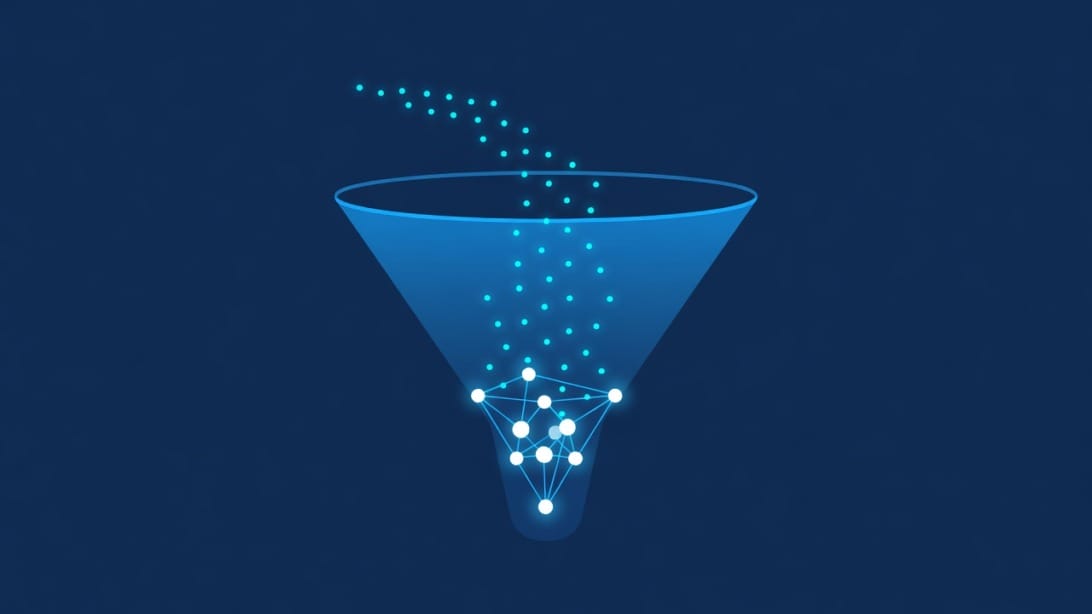
This guide explains how to design a lead nurturing strategy that works across email, content, retargeting, social engagement, and sales follow-up. It uses competitor research from Cognism, ActiveCampaign, and Adobe Marketo, plus practical operating rules for segmentation, scoring, handoff, cadence, compliance, and measurement.
What Is Lead Nurturing?
Lead nurturing is the practice of developing relationships with potential buyers through relevant, timely, and useful communication before they are ready to purchase. A strong nurture program does not pressure every contact into a meeting. It helps each lead understand the problem, compare options, reduce risk, and take the next logical step when timing improves.
In simple terms, lead nurturing is how you keep a good prospect from going cold. A person may download a guide, join a webinar, request a checklist, visit a pricing page, or reply to a campaign without being ready to buy that week. Nurturing connects those moments into a guided path.
Good nurturing is not the same as sending a generic newsletter. It uses the lead’s role, company type, source, behavior, and buying stage to decide what message should come next. A founder who downloaded a cold outreach checklist needs different help than a revenue operations manager comparing automation platforms.
The goal is not only more replies. The goal is better timing, better context, and better sales conversations. When nurturing works, the sales team receives leads who understand their own problem, know why the category matters, and have already seen proof that your approach can help.
How Is Lead Nurturing Different from Lead Generation?
Lead generation attracts new contacts into your database, while lead nurturing turns the right contacts into sales-ready opportunities. Generation answers, “How do we create interest?” Nurturing answers, “How do we develop that interest into a qualified conversation?” A business can generate thousands of leads and still miss revenue if follow-up is weak.
Lead generation usually happens through ads, search content, landing pages, events, webinars, referrals, or outbound prospecting. It captures attention and permission. Lead nurturing starts after that capture. It decides which leads deserve education, which need qualification, which should be recycled, and which should move to sales.
The handoff matters because many leads are early, curious, or researching on behalf of someone else. If sales calls every lead immediately, reps waste time and prospects feel rushed. If marketing never nurtures them, they forget the brand or choose a competitor who kept helping.
A useful rule is this: generation fills the room, nurturing starts the conversation, scoring identifies readiness, and sales advances the opportunity. Each function depends on the others, but they should not be confused.
Why Does Lead Nurturing Matter More in 2026?
Lead nurturing matters more in 2026 because buyers are harder to reach, inboxes are more filtered, and buying committees expect proof before speaking with sales. AI search summaries, stricter privacy expectations, and crowded software markets mean prospects gather more information independently. Brands must educate consistently before asking for a commitment.
The practical shift is that buyers no longer move through a clean funnel in one session. They read comparisons, ask peers, test tools, search for alternatives, and return weeks later from a different device. A nurture program gives your company a way to stay helpful across that uneven path.
Competitor research reinforces this pattern. Cognism emphasizes relationship building, personalization, timing, and sales-marketing alignment. ActiveCampaign highlights multi-channel nurturing across email, social, webinars, content, chat, and messaging. Adobe Marketo frames nurturing as relationship development at every funnel stage and ties it to marketing automation.
For teams using cold email or outbound as part of demand creation, nurturing also protects deliverability and reputation. Helpful follow-up, clean segmentation, and respectful cadence reduce spam complaints. If your program includes outbound email, pair nurturing with strong email deliverability practices so useful messages actually reach the inbox.
How Does Lead Nurturing Work Across the Buyer Journey?
Lead nurturing works by matching content, timing, and calls to action to the lead’s current stage of awareness. Early-stage leads need education, middle-stage leads need comparison and confidence, and late-stage leads need risk reduction. The workflow should change as behavior changes instead of forcing every lead through the same sequence.
Most nurture programs use three core stages: awareness, consideration, and decision. Some teams add onboarding, expansion, or re-engagement paths after purchase, but those are lifecycle nurturing motions rather than pre-sale lead nurturing. For this guide, the focus is pre-sale movement from first interest to qualified opportunity.
A strong journey map answers five questions for each stage:
- What does the lead believe or not understand yet?
- What question are they trying to answer right now?
- What content format will help them answer it fastest?
- What behavior signals readiness to move forward?
- What should sales do if the lead becomes active?
Awareness Stage Nurturing
Awareness-stage nurturing helps leads name the problem and understand why it deserves attention. These leads may not know the category, budget, internal owner, or solution criteria yet. The best content is educational, non-pushy, and diagnostic, such as checklists, benchmarks, beginner guides, short explainers, and problem-framing articles.
At this stage, avoid heavy product demos and aggressive calls to action. A prospect who just searched “what is lead nurturing” is usually not asking for a vendor pitch. They are trying to understand the concept, the business impact, and whether it applies to their situation.
Good awareness emails answer one specific question at a time. Examples include “How do you know a lead is not ready for sales?” or “What happens when marketing and sales define qualified leads differently?” These messages should invite low-friction engagement like reading a guide, using a checklist, or answering a one-question survey.
Behavior to watch includes repeat content visits, guide downloads, newsletter engagement, and topic clustering. If a lead consumes three pieces about the same problem in two weeks, they may be moving from awareness to consideration.
Consideration Stage Nurturing
Consideration-stage nurturing helps leads compare approaches, evaluate tradeoffs, and build internal confidence. They know the problem exists, but they may not know whether to fix it with process, software, outsourcing, training, or a combination. Your content should make the decision clearer without pretending every buyer needs the same answer.
Useful consideration content includes comparison tables, decision matrices, buying criteria, ROI worksheets, webinar recordings, expert interviews, and implementation guides. This is where you can explain your point of view more directly, as long as the advice remains useful even if the reader does not buy.
A consideration nurture email might say, “If you are choosing between a simple drip sequence and behavior-based automation, compare these five factors first.” That creates value before asking for a call. It also positions your company as a helpful evaluator rather than a vendor pushing one option.
Signals include pricing page visits, repeated comparison page views, webinar attendance, replies with use-case details, and clicks on bottom-of-funnel content. Those signals should raise the lead score and may trigger a sales notification.
Decision Stage Nurturing
Decision-stage nurturing reduces perceived risk and helps the buying committee say yes. These leads are evaluating vendors, budgets, integration needs, security concerns, switching costs, and expected outcomes. They need proof, clarity, and a simple next step more than another educational overview.
Decision content includes customer stories, security documentation, implementation timelines, objection-handling pages, ROI calculators, migration plans, pricing explainers, and direct comparison pages. The call to action can become more direct because the lead has already shown stronger intent.
At this stage, marketing and sales should coordinate closely. If a lead opens three decision emails, visits pricing, and returns to a comparison page, sales should not send a generic introduction. The rep should reference the specific behavior and offer a relevant next step.
A strong decision-stage follow-up might say, “I noticed your team was reviewing deliverability and sequencing resources. If you are comparing platforms, I can share a checklist that covers authentication, warmup, inbox rotation, and reporting questions to ask before choosing.”
What Data Do You Need Before You Build a Lead Nurturing Program?
You need four types of data before building a lead nurturing program: profile data, behavior data, source data, and consent data. Profile data tells you who the lead is, behavior data tells you what they care about, source data explains why they entered the funnel, and consent data keeps communication compliant and respectful.
Without data, nurturing becomes guesswork. With too much unstructured data, it becomes impossible to act. The practical goal is to capture enough information to segment and personalize, but not so much that forms become painful or workflows become unmanageable.
Cognism’s article highlights demographic and behavioral data as the foundation for personalization. Adobe Marketo emphasizes defining leads, building lists, removing duplicates, segmenting audience groups, and testing. Those themes are correct, but execution depends on a small set of fields that teams actually maintain.
Profile Data: Who the Lead Is
Profile data describes the person and organization behind the lead. It usually includes name, email, role, seniority, department, company size, industry, country, and account domain. This data helps you decide whether a lead fits your ideal customer profile and which nurture path should receive them.
Do not ask for every profile field on the first form. Progressive profiling works better. Ask for email and one qualification field early, then capture more detail later through surveys, demo forms, enrichment, or sales discovery. Short forms convert better and create less friction.
Profile data should answer routing questions. Is this lead a practitioner, manager, executive, consultant, student, competitor, or vendor? Is the company large enough to buy? Is the country inside your supported market? Does the role influence budget, process, or technical evaluation?
If the answer is no, you can still nurture the lead lightly through newsletters or educational content. But you should not route them to sales or treat them like a high-intent opportunity.
Behavior Data: What the Lead Does
Behavior data records actions such as email opens, link clicks, page visits, form fills, webinar attendance, video views, content downloads, replies, and demo requests. It shows what the lead is actively researching and whether their interest is increasing, decreasing, or changing direction.
Behavior is often more useful than job title alone. A director who downloaded one top-of-funnel ebook may be less ready than a manager who visited pricing, compared alternatives, and replied to a nurture email. Scoring should weigh both fit and action.
Useful behavior categories include topic interest, funnel depth, recency, frequency, and intent strength. A pricing visit is stronger than a blog view. Three visits this week are stronger than one visit six months ago. A reply is stronger than an open.
Negative behavior matters too. Bounces, unsubscribes, spam complaints, long inactivity, and repeated non-opens should suppress sends or lower scores. Ignoring negative signals hurts deliverability and wastes effort.
Source and Context Data: Why the Lead Entered
Source data explains the original context that brought the lead into your system. A lead from a comparison page is different from a lead from a beginner guide. A webinar attendee is different from a list upload. A referral is different from a cold outbound reply.
The first nurture message should reflect that entry point. If someone downloaded a checklist, acknowledge it. If they attended a webinar, send the recording and related resources. If they came from outbound, continue the original value proposition instead of dropping them into a generic newsletter.
Use UTM parameters, campaign IDs, content names, form names, and landing page URLs to preserve context. This data also improves reporting. You can compare not only which channels produce leads, but which sources produce leads that become qualified opportunities after nurturing.
Consent and Compliance Data: What You Are Allowed to Send
Consent data records how and when a lead agreed to receive communication, what type of communication they agreed to, and whether they have opted out. It is essential for compliance with laws such as CAN-SPAM, GDPR, CASL, and other regional privacy rules.
This guide is not legal advice, but the operating principle is simple: collect only the data you need, explain how it will be used, honor opt-outs quickly, and avoid sending irrelevant messages. If a lead is in a region with stricter consent requirements, use confirmed opt-in where appropriate.
Compliance is also a trust signal. A clear unsubscribe link, accurate sender identity, and relevant message protect your brand. Nurturing should never feel like a trap where a single content download leads to months of unrelated sales emails.
How Do You Segment Leads for Better Nurturing?
Segment leads by combining fit, behavior, buying stage, and source instead of relying on one field alone. A good segment is large enough to manage, specific enough to personalize, and tied to a clear next action. Over-segmentation creates complexity, while under-segmentation creates irrelevant messages.
Adobe Marketo recommends segmenting by buying stage plus one other variable, and that is a useful ceiling for many teams. For example, segment by stage and industry, or stage and role, or stage and source. Adding too many variables quickly creates dozens of tiny workflows that are difficult to maintain.
The best segmentation model is the simplest one that changes what you send. If two segments receive the same content, cadence, and CTA, they should probably be one segment. If they need different examples, proof points, or timing, split them.
Segmentation by Buying Stage
Buying-stage segmentation places leads into awareness, consideration, decision, re-engagement, or recycle paths based on their behavior and score. This is the most important segmentation layer because it prevents early leads from receiving late-stage offers and late-stage leads from being stuck in basic education.
A simple rule set might look like this:
| Stage | Typical Signals | Best Content | CTA |
|---|---|---|---|
| Awareness | Blog visits, glossary searches, beginner downloads | Guides, checklists, problem explainers | Read, assess, subscribe |
| Consideration | Webinar attendance, repeat topic visits, comparison clicks | Frameworks, templates, comparison tables | Watch, compare, calculate |
| Decision | Pricing visits, demo page views, direct replies | Case studies, implementation plans, ROI tools | Book, review, talk |
| Re-engagement | No activity for 60 to 120 days | Fresh insight, survey, preference update | Confirm interest |
| Recycle | Not ready, poor timing, delayed budget | Monthly education and monitoring | Stay informed |
Stage rules should be transparent enough that both marketing and sales understand them. If no one can explain why a lead is in a workflow, the workflow is too complicated.
Segmentation by Role and Pain Point
Role-based segmentation improves relevance because different stakeholders care about different risks. A marketing leader may care about conversion rate, campaign attribution, and list quality. A sales leader may care about meeting creation, speed to lead, and opportunity quality. A technical stakeholder may care about integrations, data security, and implementation complexity.
Pain-point segmentation can be even more effective than role segmentation. Two people with different titles may share the same urgent problem, while two people with the same title may care about different outcomes. Use content consumption, survey answers, and sales notes to identify pain-point clusters.
Example clusters for lead nurturing software could include slow sales follow-up, poor MQL quality, low webinar conversion, weak outbound replies, messy CRM data, and long sales cycles. Each cluster deserves different education and proof.
Segmentation by Engagement Level
Engagement-level segmentation separates hot, warm, cool, and inactive leads based on recency and frequency of activity. Hot leads receive faster follow-up and more direct offers. Warm leads receive educational content with occasional conversion prompts. Cool leads receive lower-frequency content. Inactive leads move into re-engagement or suppression.
This segmentation protects both revenue and deliverability. Sending high-frequency emails to inactive contacts lowers engagement and can damage sender reputation. Sending low-frequency emails to highly engaged contacts misses pipeline opportunities.
A practical engagement model:
- Hot: meaningful activity in the last 7 days, such as pricing visit, reply, demo page, or multiple clicks.
- Warm: at least one meaningful activity in the last 30 days.
- Cool: no meaningful activity in 31 to 90 days, but still valid and subscribed.
- Inactive: no meaningful activity after 90 days.
What Should a Lead Nurturing Email Sequence Include?
A lead nurturing email sequence should include a contextual welcome, educational value, problem clarification, comparison support, proof, objection handling, and a timely conversion offer. The sequence should feel like a guided conversation, not a batch of disconnected promotions. Each message needs one purpose, one next step, and one reason the reader should care.
Email remains the main nurture channel because it is scalable, measurable, and easy to personalize. ActiveCampaign calls email the lead nurturing MVP, while Cognism emphasizes timeliness, relevance, and personalization. Both points are useful, but the real differentiator is message sequencing.
A good sequence answers the next question in the prospect’s mind. If the previous email explained the problem, the next email might explain how to diagnose it. If the lead clicked a comparison link, the next email might explain evaluation criteria. If the lead visited pricing, the next email might reduce risk.
Email 1: Contextual Welcome
The first email should confirm why the lead is hearing from you, deliver the promised value, and set expectations for future communication. It should arrive immediately after the trigger because intent decays quickly. A strong welcome email is useful even if the lead never opens another message.
Example structure:
Subject: Here is the lead nurturing checklist you requested
Body: Thanks for grabbing the checklist. The fastest way to use it is to review your current follow-up by stage: new lead, active evaluator, stalled opportunity, and inactive contact. Over the next week, I will send a few practical examples on scoring, segmentation, and handoff so you can tighten the whole workflow.
CTA: Review the checklist
Keep this email short. Do not ask for a meeting unless the lead requested contact. The first job is to create trust and reduce confusion.
Email 2: Problem Education
The second email should help the lead understand the business cost of the problem. This is where you frame the issue in operational terms: wasted ad spend, cold leads, missed follow-up, weak qualification, poor attribution, or longer sales cycles. Use examples, not vague warnings.
A useful email might explain why leads go cold after downloading content. The reason is usually not that they are bad leads. It is that the follow-up does not match their stage. A beginner receives a sales pitch, a late-stage evaluator receives a generic blog post, and a high-intent visitor waits too long for outreach.
CTA options include reading a deeper guide, using a diagnostic checklist, or answering a one-question poll. Avoid jumping straight to “book a demo” unless the lead is already showing high-intent behavior.
Email 3: Framework or Checklist
The third email should provide a practical framework the lead can apply without buying anything. This increases trust and shows expertise. Frameworks work because they make an abstract topic operational. For lead nurturing, a checklist may cover data, segmentation, scoring, content, handoff, compliance, and measurement.
A short checklist could include:
- Confirm every workflow has an entry trigger and exit rule.
- Map each email to a buyer-stage question.
- Remove invalid, bounced, and unsubscribed contacts.
- Define the score threshold for sales handoff.
- Add one negative score for inactivity.
- Review every workflow quarterly.
- Track conversion from nurtured lead to opportunity.
This type of content is easy to save, forward, and discuss internally.
Email 4: Proof and Example
The fourth email should show proof that the approach works. Proof can be a customer story, anonymized example, benchmark, expert quote, or before-and-after process comparison. Avoid fake case studies. If the example is illustrative, label it clearly as illustrative.
Illustrative example: A B2B software team sends every ebook download directly to sales. Reps complain the leads are weak. Marketing introduces a three-stage nurture path, adds scoring for pricing visits and webinar attendance, and only routes leads after a threshold. Sales receives fewer leads, but the leads are better prepared and conversations become more focused.
The point is not to promise a specific result. The point is to help the reader see what a better operating model looks like.
Email 5: Objection Handling and Conversion Offer
The fifth email should address the most likely objection preventing the next step. Common objections include timing, budget, implementation effort, data quality, internal alignment, and fear of being pressured by sales. Answer one objection clearly and offer a low-friction next step.
Example: “If you are not ready for a full automation build, start with one workflow: new content download to qualified handoff. That single path will reveal whether your scoring, content, and sales follow-up definitions are clear. If you want, I can share the exact workflow map we use for this audit.”
CTA: Get the workflow map or book a short review.
This email earns the right to ask because the previous messages delivered value first.
What Lead Scoring Model Should You Use?
Use a lead scoring model that combines fit, engagement, intent, and negative signals. Fit tells you whether the account could become a customer. Engagement tells you whether the person is paying attention. Intent tells you whether they may be evaluating now. Negative signals prevent poor-fit or inactive leads from wasting sales time.
Lead scoring is only useful if sales trusts it. That means the model must be understandable, tested against closed-won data, and adjusted when behavior changes. Do not create a scoring system with dozens of hidden rules that no one can explain.
Start with a simple 100-point threshold, then refine. For example, a lead might need at least 40 fit points and 60 total points before becoming marketing qualified. A direct demo request can bypass the threshold, but only if the contact is not obviously invalid or outside your market.
Fit Scoring
Fit scoring measures how closely the lead matches your ideal customer profile. Common fit signals include company size, industry, geography, role, seniority, department, revenue range, technology stack, and account type. Fit protects sales from chasing contacts who are interested but unlikely to buy.
A simple fit model:
| Fit Signal | Points |
|---|---|
| — | —: |
| Target industry | 15 |
| Target company size | 15 |
| Decision-maker or strong influencer role | 20 |
| Supported geography | 10 |
| Business email domain | 10 |
| Existing relevant technology | 10 |
| Student, vendor, competitor, or personal email | -25 |
Fit points should not dominate the entire model. A perfect-fit contact with no behavior is not ready. A moderate-fit contact showing strong intent may deserve attention.
Engagement and Intent Scoring
Engagement scoring measures interaction with your emails and content, while intent scoring gives extra weight to behaviors that suggest evaluation. Opens are weak signals. Clicks, replies, repeat visits, webinar attendance, pricing views, and demo page visits are stronger signals.
A practical behavior model:
| Behavior | Points |
|---|---|
| — | —: |
| Opens nurture email | 2 |
| Clicks educational link | 8 |
| Downloads template or checklist | 12 |
| Attends webinar | 20 |
| Visits comparison page | 25 |
| Visits pricing page | 35 |
| Replies with business context | 40 |
| Requests demo or consultation | 60 |
| No engagement for 60 days | -15 |
| Unsubscribes or hard bounces | Suppress |
Review the model every quarter. If many scored leads fail to become opportunities, raise thresholds or adjust signals. If sales finds strong opportunities outside the model, identify the missing behavior.
Sales Handoff Rules
Sales handoff should happen when a lead has enough fit and enough intent to justify human outreach. The handoff should include context, not just a notification. Sales needs to know what the lead did, what content they consumed, what problem they appear to care about, and what next step marketing offered.
A useful handoff note might include:
- Lead source: webinar registration.
- Current stage: consideration.
- Recent activity: attended webinar, clicked comparison guide, visited pricing page twice.
- Likely interest: workflow automation and sales handoff.
- Suggested opener: reference the comparison guide and ask whether they are building or replacing a nurture workflow.
This prevents generic follow-up and makes the lead feel understood.
Which Channels Should Support Lead Nurturing?
Lead nurturing should use channels that match the buyer’s context and urgency. Email usually carries the core sequence, but social engagement, retargeting, webinars, chat, phone, and direct mail can support it. The goal is not to be everywhere. The goal is to appear helpfully in the places your buyers already use.
ActiveCampaign lists email, social media, phone calls, webinars, content, chat, and SMS as nurture channels. Adobe Marketo adds retargeting, web personalization, direct mail, and marketing automation. Cognism includes blogs, videos, social promotion, and cadence planning. Together, these sources show why a single-channel nurture program is usually incomplete.
The best channel mix changes by audience. Enterprise buyers may respond to webinars, executive briefs, and direct mail. SMB buyers may prefer email, short videos, templates, and live chat. Technical buyers may prefer documentation and comparison pages.
Email as the Core Channel
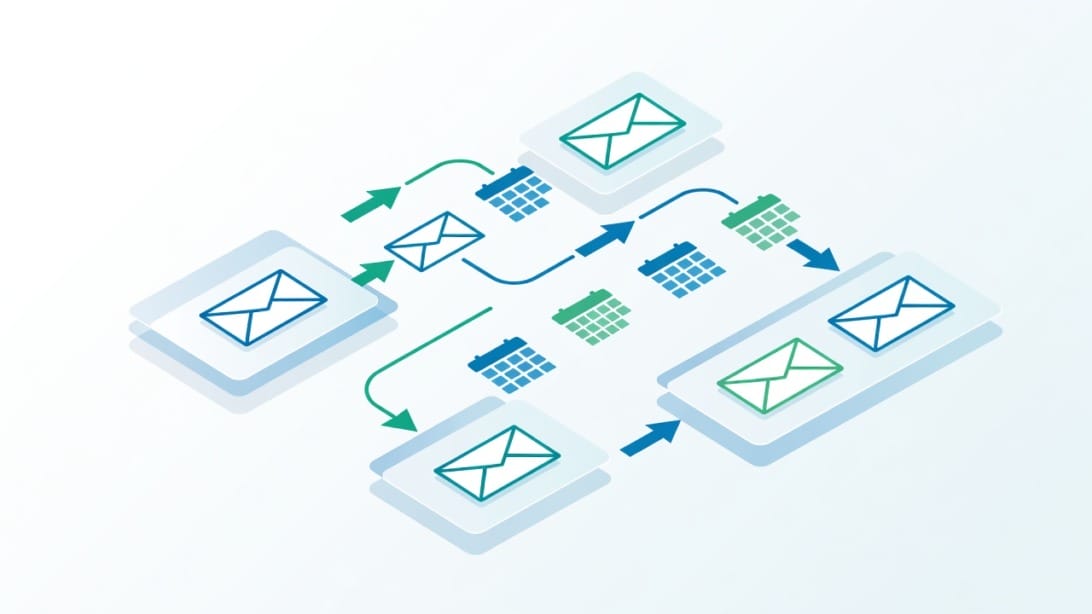
Email is the core nurture channel because it is owned, measurable, and flexible. It lets you send stage-specific content, trigger follow-up from behavior, and coordinate with sales activity. Email also creates a durable record of what message each lead received and when.
Use email for education, templates, event follow-up, case studies, comparison guides, re-engagement, and handoff notifications. Keep messages focused and avoid stacking multiple CTAs in one email. A nurture email should make one helpful point and invite one next action.
Deliverability must be monitored. If bounces, complaints, or unsubscribes rise, reduce frequency and review list quality. If open rates collapse, investigate authentication, sender reputation, subject lines, and segment relevance.
Content and Web Personalization
Content supports nurturing by giving each email or ad something useful to point toward. Web personalization can then adapt the site experience based on source, stage, or known interest. For example, a returning lead interested in sales handoff might see a workflow template instead of a generic homepage CTA.
Useful nurture content includes guides, templates, calculators, case studies, comparison tables, webinar recordings, short videos, and implementation checklists. Do not create content just to fill a calendar. Create content that answers a question blocking the next step.
A practical content map:
| Buyer Question | Best Content |
|---|---|
| What is this problem? | Beginner guide, diagnostic checklist |
| How serious is it? | Benchmark, calculator, risk explainer |
| How should we solve it? | Framework, webinar, process map |
| Which option fits us? | Comparison table, decision matrix |
| Can we trust this vendor? | Case study, security page, implementation plan |
Retargeting, Social, and Sales Touches
Retargeting and social engagement reinforce the nurture path without relying only on inbox attention. Retargeting can show relevant proof to leads who visited important pages. Social engagement can keep your brand visible through helpful comments and shared resources. Sales touches can add human relevance when intent rises.
Use frequency caps for retargeting so prospects do not feel chased. Segment ad audiences by topic and funnel stage. A pricing-page visitor should not see the same message as a first-time blog reader.
For social selling, avoid immediate pitches after a content interaction. Comment on relevant posts, share useful resources, and connect only when there is a real reason. The best social nurturing feels like professional familiarity, not automated surveillance.
How Do You Measure Lead Nurturing Success?
Measure lead nurturing success by connecting engagement metrics to funnel movement and revenue outcomes. Opens and clicks are useful diagnostics, but they are not the finish line. The most important question is whether nurtured leads become qualified opportunities and customers at a higher rate than comparable non-nurtured leads.
Adobe Marketo cites industry figures that companies excelling at lead nurturing generate more sales-ready leads at lower cost, and that nurtured leads can make larger purchases. Those numbers are useful directional benchmarks, but your own baseline matters more. Measure against your current conversion rates and control groups where possible.
A good dashboard separates leading indicators from business outcomes. Leading indicators show whether content is being consumed. Business outcomes show whether the program changes pipeline.
Engagement Metrics
Engagement metrics tell you whether leads are paying attention. Track open rate, click rate, reply rate, content completion, webinar attendance, unsubscribe rate, bounce rate, spam complaint rate, and repeat visits. Each metric has a different diagnostic value.
Open rate is directional because privacy features can inflate or obscure opens. Click rate is stronger because it shows action. Reply rate is stronger still because it creates a conversation. Spam complaint rate is critical because it indicates trust damage and deliverability risk.
Watch trends by segment and workflow, not only global averages. A strong overall click rate can hide a broken segment. A weak overall open rate can hide a high-intent workflow that performs well.
Funnel and Revenue Metrics
Funnel metrics show whether nurturing creates movement. Track lead-to-MQL rate, MQL-to-SQL rate, SQL-to-opportunity rate, opportunity-to-customer rate, sales cycle length, average deal size, pipeline generated, and revenue influenced.
The most useful comparison is nurtured versus non-nurtured conversion. If nurtured leads convert better, the program is creating value. If they do not, audit segmentation, content relevance, scoring thresholds, and sales handoff.
Revenue attribution should use multi-touch logic where possible. First-touch attribution gives credit to the source that captured the lead. Last-touch attribution gives credit to the final conversion action. Nurturing usually happens between those moments, so a single-touch model undervalues it.
Optimization Cadence
Optimize lead nurturing on a monthly and quarterly rhythm. Monthly reviews should check deliverability, engagement, broken links, unsubscribe spikes, and workflow errors. Quarterly reviews should evaluate conversion impact, lead scoring accuracy, content gaps, sales feedback, and sequence structure.
A/B testing should change one variable at a time. Test subject lines, CTAs, send timing, content format, and sequence order separately. If you change five elements at once, you will not know what caused the result.
Keep a change log. Record what changed, why it changed, when it launched, and what happened afterward. This prevents teams from repeating failed experiments and helps new team members understand the system.
What Are Common Lead Nurturing Mistakes?
Common lead nurturing mistakes include sending the same sequence to everyone, handing leads to sales too early, ignoring negative signals, over-automating without context, and measuring only email engagement. These mistakes are avoidable when marketing and sales agree on definitions, maintain data quality, and review performance regularly.
The biggest risk is treating nurturing as a software feature rather than a buyer experience. Automation can scale relevance, but it can also scale irrelevance. A workflow that sends the wrong message faster is worse than a manual process that sends the right message slowly.
Use the following checklist before launching or expanding a nurture program.
Mistake 1: Treating Every Lead the Same
Treating every lead the same lowers relevance and teaches prospects to ignore your messages. A first-time blog subscriber, webinar attendee, pricing-page visitor, and inactive database contact should not receive the same email sequence. They have different intent, context, and readiness.
Fix this by segmenting at minimum by source and buying stage. Then add one extra dimension only if it changes the message. For example, stage plus role may be enough for one company, while stage plus industry may matter more for another.
If you are unsure which segmentation variable matters most, review closed-won and closed-lost data. Look for patterns in industry, role, source, content path, and time to conversion. Let real outcomes guide segmentation.
Mistake 2: Sending Too Frequently
Sending too frequently creates fatigue, unsubscribes, and deliverability problems. A lead who downloaded one guide did not necessarily ask for daily emails. Frequency should match urgency, stage, and behavior. Higher intent can justify faster follow-up, but low intent requires patience.
A safe starting cadence for B2B nurturing is two touches in the first week, then weekly for a month, then every two to four weeks for longer-term nurture. Increase frequency only when behavior shows active evaluation.
Monitor unsubscribes by email number. If email three consistently drives opt-outs, the problem may be timing, content, or message mismatch. Fix the weak point instead of blaming the list.
Mistake 3: Weak Sales and Marketing Alignment
Weak alignment causes marketing to celebrate lead volume while sales ignores the handoff. The result is frustration on both sides. Marketing thinks sales is not following up. Sales thinks marketing sends unqualified names. Leads receive inconsistent messages.
Fix alignment with a written definition of MQL, SQL, handoff timing, response expectations, and rejection reasons. Sales should be able to reject a lead with structured feedback, such as wrong company size, no budget signal, student, vendor, or bad timing.
Review rejected leads monthly. If sales rejects many nurtured leads for the same reason, update scoring or segmentation. If sales accepts leads but does not follow up quickly, update the service-level agreement.
Mistake 4: Ignoring Data Hygiene and Compliance
Ignoring data hygiene causes bounces, duplicates, irrelevant sends, and inaccurate reporting. Ignoring compliance creates legal and brand risk. Lead nurturing depends on trust, and trust starts with clean data and respectful communication.
Before launching workflows, remove hard bounces, known role accounts if inappropriate, duplicates, unsubscribed contacts, and contacts without a valid legal basis for communication. Standardize fields such as industry, country, and role so segmentation rules work.
Compliance basics include clear sender identity, accurate subject lines, physical mailing address where required, easy unsubscribe, permission-aware segmentation, and prompt opt-out handling. When in doubt, use a more conservative send rule.
How Do You Build a Lead Nurturing Plan in 30 Days?
You can build a practical lead nurturing plan in 30 days by starting with one high-value segment, one buyer journey, one score threshold, and one workflow. The goal is not to automate every possible path immediately. The goal is to launch a measurable version, learn from it, and expand only when the first workflow works.
This 30-day plan is intentionally narrow. It avoids the common trap of building ten workflows, twenty segments, and fifty emails before proving that your message moves leads. Start with the segment closest to revenue, such as webinar attendees, high-intent content downloads, or demo-page visitors who did not convert.
Days 1 to 7: Audit and Map
The first week should define the target segment, buying questions, available content, data fields, and sales handoff criteria. Do not open the automation builder yet. A workflow built on unclear definitions will only automate confusion.
Tasks for week one:
- Choose one segment with clear business value.
- List the common objections and questions for that segment.
- Map the segment to awareness, consideration, or decision stage.
- Audit existing content and identify gaps.
- Define the entry trigger and exit trigger.
- Agree on the lead score threshold with sales.
- Write the sales handoff note format.
By the end of week one, you should have a one-page plan anyone on the revenue team can understand.
Days 8 to 15: Build Content and Scoring
The second week should create or adapt the content needed for the workflow. Most teams already have enough material to launch if they stop trying to make every asset perfect. Repurpose existing guides, webinars, case studies, and internal sales notes into nurture-ready assets.
Build five to seven messages for the first workflow. Include a welcome, problem education, checklist or framework, proof, objection handling, and conversion offer. Add one re-engagement message for people who do not interact.
Set up the first scoring rules. Keep them simple. Assign points for fit, meaningful clicks, webinar attendance, pricing visits, replies, and demo requests. Add negative scoring for inactivity and suppression for unsubscribes or bounces.
Days 16 to 23: Configure and QA
The third week should configure the workflow, test every branch, and confirm tracking. This is where teams often make quiet mistakes: broken links, wrong delays, missing suppression rules, duplicate enrollment, or sales alerts without context.
QA checklist:
- Confirm entry criteria match the target segment.
- Confirm exit criteria stop irrelevant sends.
- Test every email link and image.
- Verify UTM parameters and campaign naming.
- Check unsubscribe behavior.
- Confirm sales alert timing and content.
- Test duplicate prevention.
- Review mobile rendering.
- Confirm suppression lists are applied.
Do not launch until someone outside the builder reviews the full experience as if they were the lead.
Days 24 to 30: Launch, Monitor, and Improve
The fourth week should launch to a controlled audience, monitor deliverability and engagement, and collect sales feedback. Resist the urge to declare success after one send. Nurture workflows need enough time and volume to show patterns.
Monitor bounces, unsubscribes, complaints, opens, clicks, replies, conversions, and sales acceptance. If early unsubscribe rates spike, pause and review relevance. If clicks are strong but conversions are weak, review the CTA and landing page. If sales ignores alerts, review handoff quality.
After 30 days, decide whether to improve the workflow, expand it to a second segment, or build a new journey. Expansion should follow evidence, not enthusiasm.
Key Takeaways
Lead nurturing converts more sales-ready leads by matching education, proof, timing, and follow-up to each prospect’s buying stage. The best programs stay simple enough to manage, specific enough to feel relevant, and measurable enough to improve. Start with one strong workflow, then expand from real performance data.
- Lead nurturing is not lead generation. Generation captures interest, while nurturing develops that interest into qualified conversations.
- The core stages are awareness, consideration, and decision. Each stage needs different content, cadence, and calls to action.
- Useful segmentation combines buying stage with one additional variable, such as role, source, industry, or engagement level.
- Email is usually the core nurture channel, but content, retargeting, social engagement, webinars, chat, and sales touches can reinforce it.
- Lead scoring should combine fit, engagement, intent, and negative signals. Sales handoff needs context, not just a notification.
- Measurement should connect engagement to revenue outcomes, especially nurtured versus non-nurtured conversion and opportunity creation.
- Compliance, data hygiene, and deliverability are not side issues. They determine whether prospects trust your messages and whether messages reach the inbox.
- The safest way to launch is a 30-day plan focused on one segment, one workflow, one threshold, and one review cycle.
Frequently Asked Questions
Lead nurturing questions usually come down to timing, cadence, qualification, and measurement. The right answer depends on your sales cycle, audience, consent rules, and channel mix. The following answers give practical starting points that teams can adapt after reviewing their own conversion and engagement data.
What is lead nurturing in simple terms?
Lead nurturing is the process of staying helpful to potential customers until they are ready to buy or speak with sales. Instead of pushing every new lead into a meeting, you send relevant education, proof, reminders, and next steps based on what the lead has shown interest in.
How long should a lead nurturing sequence be?
A lead nurturing sequence should match the buying cycle. For a short B2B purchase, two to four weeks may be enough. For a complex sale with several stakeholders, nurturing may last three to twelve months. Use engagement and stage changes to decide when to slow, accelerate, or hand off.
How many emails should a nurture campaign include?
A practical starting point is five to seven emails for a focused workflow: welcome, problem education, checklist, proof, objection handling, conversion offer, and re-engagement. Longer journeys can include more emails, but every message should answer a specific buyer question rather than filling space.
What is the difference between lead nurturing and drip marketing?
Drip marketing usually sends a fixed sequence on a set schedule, while lead nurturing adapts based on behavior, profile, source, and buying stage. A drip campaign can be part of nurturing, but mature nurturing also includes scoring, segmentation, sales handoff, retargeting, content mapping, and suppression rules.
When should a nurtured lead be sent to sales?
A nurtured lead should be sent to sales when fit and intent are both strong enough to justify human outreach. Common triggers include pricing visits, demo requests, direct replies, repeated comparison-page activity, webinar attendance plus high fit, or crossing a score threshold agreed by sales and marketing.
What content works best for lead nurturing?
The best content depends on stage. Awareness leads need guides, checklists, and problem explainers. Consideration leads need frameworks, templates, webinars, and comparison tables. Decision leads need case studies, implementation plans, security answers, ROI tools, and direct vendor comparison resources.
How do you know if lead nurturing is working?
Lead nurturing is working when nurtured leads convert to qualified opportunities and customers at a higher rate than similar non-nurtured leads. Supporting indicators include healthy email engagement, lower unsubscribe rates, faster sales cycles, better sales acceptance, and more replies from leads who understand the problem.
Can lead nurturing work without marketing automation?
Lead nurturing can work manually at small scale, but automation becomes necessary once leads, segments, and timing rules multiply. Without automation, teams usually miss follow-up, forget context, or send inconsistent messages. Start manually if needed, but document the workflow so it can be automated later.
How often should nurture workflows be reviewed?
Review operational metrics monthly and strategic performance quarterly. Monthly checks should cover bounces, unsubscribes, complaints, broken links, and workflow errors. Quarterly reviews should evaluate scoring accuracy, sales feedback, conversion impact, content gaps, and whether the sequence still reflects current buyer behavior.
What is the biggest mistake in lead nurturing?
The biggest mistake is treating every lead the same. A new subscriber, inactive contact, pricing-page visitor, and webinar attendee need different timing and content. When all leads receive the same messages, the program becomes a newsletter with automation rather than a true nurturing system.