
Ebook marketing is the process of turning a useful digital guide into measurable audience growth, qualified leads, sales conversations, and pipeline. The modern version is not just “publish a PDF and promote it.” A high-performing ebook campaign needs a clear audience, a sharp promise, a landing page, a distribution plan, email deliverability controls, follow-up automation, and a measurement model that connects downloads to revenue.
If you are asking how to market an ebook, the answer is: treat the ebook like a product launch, not a content upload. Build anticipation before release, package the asset around one urgent problem, promote it across owned, earned, paid, partner, and outbound channels, then nurture every engaged reader based on what they clicked, replied to, or downloaded.
This guide focuses on B2B ebook marketing, especially lead generation. It also covers author-style promotion where useful, because the best B2B ebook campaigns borrow from book launches, product launches, newsletter growth, and sales outreach. You will get direct answer blocks, checklists, tables, channel playbooks, real-world examples, email sequences, and a practical framework for using Mystrika, DoYouMail, and FilterBounce naturally inside your distribution system.
What Is eBook Marketing?
Ebook marketing is the strategy of creating demand for a digital book or guide through channels such as search, email, social media, paid ads, partnerships, communities, influencers, sales outreach, and post-download nurturing. In B2B, the ebook is usually a lead magnet. The goal is not only downloads. The goal is qualified attention from people who match your ideal customer profile.
A strong ebook campaign answers three questions before launch: who should read this, why should they care now, and what should happen after they read it? If those answers are vague, the campaign becomes another generic PDF in a crowded inbox. If those answers are specific, the ebook becomes a trust-building asset that starts useful conversations.
How is ebook marketing different from ebook creation?
Ebook creation is the work of researching, writing, designing, editing, and packaging the asset. Ebook marketing is the work of getting the right people to notice it, trust it, download it, read it, share it, and take the next step. Many teams spend weeks perfecting the PDF and only a few hours planning distribution. That ratio is backwards.
A better split is to plan distribution before the final draft is finished. The title, chapter structure, expert quotes, landing page promise, sales follow-up, and social snippets should all be shaped by the campaign. When you know the distribution plan early, you can write a stronger asset because every chapter has a job beyond filling pages.
Why do B2B teams use ebooks as lead magnets?
B2B teams use ebooks because they can package expertise into a format that feels valuable enough for a prospect to exchange contact information. A well-positioned ebook helps buyers diagnose a problem, compare options, build internal consensus, and understand the cost of doing nothing. That makes it useful for both marketing and sales.
The best lead magnet ebooks are not thin brochures. They contain frameworks, benchmarks, examples, checklists, templates, or original insights. They help the reader do something smarter immediately. When the content is practical, the download is not a vanity metric. It becomes a signal that the reader is researching a problem your company can solve.
What makes an ebook marketing campaign successful?
A successful ebook campaign produces the right kind of engagement, not just the highest number of downloads. A list of 2,000 irrelevant readers is weaker than 120 downloads from your ideal customer profile if those 120 people open follow-up emails, reply to outreach, or enter sales conversations. Quality beats volume.
Success depends on five components: a precise audience, a credible promise, a strong conversion path, a repeatable distribution engine, and a post-download nurture sequence. If any component is missing, the campaign leaks value. For example, paid ads can drive traffic, but a vague landing page wastes spend. A good landing page can collect emails, but weak follow-up wastes buyer intent.
Why eBooks Still Work for B2B Lead Generation in 2026
Ebooks still work because B2B buyers need depth before they trust a vendor. Short videos, social posts, and ads can create awareness, but they rarely explain a complex buying problem in enough detail. A strong ebook gives the reader a structured path through a problem and gives your team multiple ways to repurpose that expertise.
The format has changed. Static gated PDFs are no longer enough by themselves. The winning approach is to use an ebook as a campaign hub: landing page, blog excerpts, email lessons, LinkedIn carousels, webinar topics, sales enablement snippets, cold outreach offers, and retargeting angles all built around one core asset.

Why buyers still download long-form content
Buyers still download long-form content when the subject is specific, the promise is practical, and the source appears credible. A CFO will not download “The Ultimate Business Guide” because it sounds generic. That same person may download “The Finance Leader’s Checklist for Reducing SaaS Waste Before Budget Season” because it connects to a real job.
The lesson is simple: specificity wins. The ebook should feel like it was written for a defined situation, not for a broad audience. Mention the role, industry, maturity level, workflow, or pain point. The more clearly a reader recognizes themselves in the title and landing page, the more likely they are to act.
Why generic gated PDFs underperform
Generic gated PDFs underperform because buyers have learned to expect low-value content behind high-friction forms. If your landing page asks for phone number, company size, job title, budget, and timeline before the reader has seen any proof of value, you are asking for too much trust too early. That friction kills conversion and hurts brand perception.
The fix is to raise the value and lower the friction. Show sample pages. Publish a strong excerpt ungated. Use fewer form fields. Explain exactly what the reader will get. If the content is truly advanced, proprietary, or template-driven, gating can work. If the content is basic, ungate it and use retargeting or email capture elsewhere.
Why ebooks help sales teams, not just marketing teams
A good ebook gives sales teams a reason to follow up without sounding pushy. Instead of saying “checking in,” a rep can say, “The section on budget approval seems relevant to your situation. Want the spreadsheet template that goes with it?” That is a better conversation because it is based on value.
Sales teams can also use ebook engagement to prioritize outreach. A prospect who downloads, opens two nurture emails, clicks a case study, and visits pricing is a stronger signal than a raw form fill. Marketing should share these engagement patterns with sales so the handoff is based on behavior, not just contact data.
The eBook Marketing Strategy Framework
The easiest way to build a campaign is to use a sequence: audience, offer, asset, conversion path, distribution, nurture, measurement, and iteration. This prevents random tactics from taking over. You can still use LinkedIn ads, cold email, webinars, podcasts, and SEO, but each channel now supports a defined campaign goal.
Think of the ebook as the center of a system. The asset alone is not the system. The system includes every touchpoint before and after the download. That is where most campaigns win or fail.
Step 1: Define the reader, not just the market
Start with one reader profile. Do not write for “marketers” if the real audience is “founder-led B2B SaaS teams hiring their first SDR.” The second audience gives you sharper examples, better language, stronger distribution ideas, and more useful follow-up. A narrow reader profile makes the campaign easier to promote.
Document the reader’s role, company stage, pain, trigger event, current workaround, desired outcome, objections, and next logical step. If your team cannot complete that one-page reader brief, pause the ebook. The campaign will not improve by adding more chapters to an unclear idea.
Step 2: Pick a painful, urgent promise
Your ebook promise should connect to a problem the reader is already motivated to solve. “Improve marketing” is too vague. “Build a 30-day cold email launch plan for a new SaaS category” is stronger because it names a timeline, channel, and use case. Urgency matters because people are busy.
A good promise has three qualities: it is specific, it is believable, and it is valuable enough to trade attention for. Avoid inflated claims you cannot support. Instead of promising a guaranteed result, promise a useful method, checklist, benchmark, or decision framework. The reader should know exactly what they will be able to do after reading.
Step 3: Choose the right format
The format should match the reader’s context. A PDF is easy to save, forward, and print. An interactive web guide is easier to update and track. An email course is easier to consume over time. A template pack may convert better than a traditional ebook if the audience wants execution help more than education.
For B2B lead generation, the best format is often a bundle: a PDF guide, a checklist, and a spreadsheet template. The PDF builds authority. The checklist helps execution. The template makes the offer feel tangible. If you only have bandwidth for one format, choose the format the reader is most likely to use during work hours.
Step 4: Create the post-download path before launch
Before launch, decide what should happen after someone downloads the ebook. Should they receive a five-email nurture? Should they be invited to a webinar? Should sales follow up only after they click a pricing-related link? Should cold outreach replies go into a separate inbox? These decisions change how you build the campaign.
Many teams fail because they build the path after the leads arrive. That creates delays, messy handoffs, and generic follow-up. Build the path first. Then the landing page, form fields, CRM tags, email segments, and sales alerts can all support the same journey.
eBook Positioning: Make the Topic Impossible to Ignore
Positioning decides whether the ebook sounds essential or optional. Most weak ebook campaigns fail before the first ad runs because the topic is too broad. The market does not need another generic guide. It needs a specific asset that solves a timely problem for a specific audience.
Positioning is not just the title. It includes the subtitle, landing page bullets, cover design, chapter names, examples, and proof points. Every element should make the reader think, “This was written for my situation.”
Use a title that names the outcome
A strong ebook title names the outcome, audience, or pain point. Compare “The Guide to Pipeline” with “The B2B Founder’s 30-Day Plan to Turn Cold Email Replies Into Sales Calls.” The second title is longer, but it is clearer. Clear beats clever for lead generation.
Use a title formula if you are stuck: “The [Audience] Guide to [Outcome] Without [Pain].” Another useful formula is “How to [Outcome] in [Timeframe] Using [Method].” Do not force the formula if it sounds robotic, but use it to test whether your promise is concrete enough.
Use a subtitle to qualify the reader
The subtitle should narrow the audience and reduce ambiguity. If the title is broad, the subtitle can specify the use case. For example, “A Practical Playbook for B2B SaaS Teams Using Cold Email, LinkedIn, and Partner Distribution” tells the reader what the ebook covers and who it helps.
This matters because high-intent prospects self-select. You do not want everyone to download the ebook. You want the right people to feel invited and the wrong people to feel it is not for them. That makes your lead list cleaner and your follow-up more relevant.
Build the table of contents for scanning
Many prospects scan the table of contents before downloading. Use chapter names that feel useful on their own. “Chapter 2: Strategy” is weak. “Chapter 2: How to Choose Between Gated, Ungated, and Hybrid Distribution” is stronger because it answers a decision the reader actually faces.
If the table of contents sounds generic, the ebook will feel generic. Add checklists, templates, teardown sections, examples, and mistakes. Those labels signal utility. They also give you better promotional snippets for social posts, emails, and ads.
Landing Page Optimization for eBook Downloads
The landing page is where attention becomes a measurable lead. It should remove doubt quickly: what is this, who is it for, what will I learn, why should I trust it, and what happens after I submit the form? If the page answers those questions, conversion improves.
Do not make the landing page a miniature essay. It should be clear, direct, and skimmable. Use the hero section for the promise, the body for proof and bullets, and the form for the lowest-friction conversion possible.
Write a benefit-driven hero section
The hero section should lead with the reader’s outcome, not your content type. “Download our ebook” is not a benefit. “Build a repeatable outbound engine without burning your domain reputation” is a benefit. Put the ebook cover near the hero, but do not rely on design to do the copy’s job.
A strong hero includes a headline, one-sentence explanation, three to five bullets, and a clear button. Avoid multiple competing CTAs. If the goal is the download, do not also ask for a demo, newsletter signup, and product tour in the same hero section.
Keep forms short and intentional
Every form field should earn its place. For most B2B ebooks, first name and business email are enough at the first conversion. If sales routing requires company name or role, add only what is truly necessary. Asking for phone number too early often reduces trust, especially for top-of-funnel content.
Progressive profiling is better than long forms. Capture the basics first, then collect more information through follow-up emails, surveys, webinar registrations, or sales conversations. A shorter form usually produces more leads, and behavioral data can help qualify them later.
Add proof before the form
Proof reduces anxiety. Add a short expert quote, a customer quote, a sample page, a screenshot of a template, or a bullet showing what is included. The reader should see that the ebook is substantial before they share their email address.
If you cite results, be precise and honest. Do not invent numbers or imply guaranteed outcomes. Better proof might be: “Includes the exact 12-step checklist our team uses before launching cold email domains.” That is specific without making an unsupported performance claim.
Gated, Ungated, or Hybrid: Which Model Should You Use?
The gating decision should follow your goal. If the goal is maximum reach and authority, ungate the ebook or publish it as a web guide. If the goal is contact acquisition, gate the full asset. If you want both, use a hybrid model: publish a valuable preview and gate templates, worksheets, or advanced sections.
There is no universal best answer. The wrong answer is using the same gate for every asset regardless of audience, value, and funnel stage. Match the gate to the intent.
When to gate an ebook
Gate an ebook when it contains proprietary research, benchmarks, templates, advanced playbooks, or decision tools the reader cannot easily find elsewhere. A gate makes sense when the value is high enough that the reader expects an exchange. The more unique the content, the more acceptable the form becomes.
Gate content for campaigns where follow-up matters. If your sales team has a clear post-download motion and the audience matches your ICP, gating gives you a workable list. If you have no nurture, no sales handoff, and no segmentation, gating may only create a spreadsheet nobody uses.
When to leave an ebook ungated
Leave an ebook ungated when the main goal is SEO, brand authority, social sharing, link building, or public education. Ungated content gets more reach because there is no barrier. It can also earn backlinks and citations more easily, especially if the content includes original data, frameworks, or strong visuals.
Ungated does not mean unmeasured. You can still track clicks, retarget readers, offer downloadable templates, invite newsletter signups, and place contextual CTAs. The difference is that the core content is available immediately, which can build trust faster.
When to use a hybrid model
Use a hybrid model when you want reach and lead capture. Publish the main guide as a web page, then offer a downloadable workbook, spreadsheet, checklist, or extended PDF as the gated upgrade. This model works because the reader gets value before being asked for information.
Hybrid campaigns also perform well in cold outreach. You can send the ungated guide directly and offer the template as the follow-up. That feels helpful instead of transactional. It also gives you a natural reason to continue the conversation.
eBook Marketing Channels: What to Use and When
The best ebook marketing channel depends on the audience, budget, timeline, and offer. Do not choose channels because competitors mention them. Choose channels based on where your readers already spend attention and what level of intent they show there.
Use this quick matrix as a starting point:
| Channel | Best For | Strength | Weakness |
|---|---|---|---|
| SEO blog posts | Evergreen demand | Compounds over time | Slow to start |
| Email list | Warm audience | High trust | Limited by list size |
| Cold email | Targeted B2B reach | Precise ICP control | Requires deliverability discipline |
| LinkedIn organic | B2B thought leadership | Native discussion | Inconsistent reach |
| LinkedIn ads | Targeted paid reach | Strong firmographic filters | Expensive clicks |
| Partnerships | Borrowed trust | Efficient audience access | Needs coordination |
| Webinars | High engagement | Strong follow-up intent | More production work |
Owned channels should launch first
Owned channels include your website, blog, newsletter, product dashboard, community, and customer communications. Start here because you control the message and cost. Add inline CTAs to relevant blog posts, put the ebook in your resource center, announce it to your newsletter, and equip sales with the asset.
Owned channels also provide early signal. If your warm audience ignores the ebook, the positioning may be weak. Fix the title, landing page, or promise before spending money on paid promotion. Owned-channel response is a cheap diagnostic test.
Earned channels build authority
Earned channels include guest posts, podcast appearances, newsletter mentions, influencer shares, partner blogs, and community recommendations. These work because they borrow trust. A recommendation from a respected niche voice often converts better than a branded ad.
Earned distribution needs preparation. Give partners copy blocks, images, suggested post angles, and a direct link. Make it easy for them to promote the ebook without writing everything from scratch. The less work they have to do, the more likely they are to help.
Paid channels scale what already works
Paid ads should amplify a message that has already shown organic traction. If nobody clicks the organic LinkedIn post, do not immediately turn it into an ad. Test multiple hooks, headlines, and landing page angles first. Then promote the winner.
For B2B ebooks, LinkedIn ads offer strong targeting but can be costly. Search ads work when people are actively looking for the topic. Retargeting usually has the best efficiency because the audience already knows you. Start with retargeting before broad cold paid campaigns.
12 eBook Marketing Strategies That Actually Work
A good ebook campaign usually combines several strategies. The mistake is trying all of them equally. Pick three core channels, execute them deeply, then add more once the funnel is working.
The following strategies are practical for B2B teams and can be adapted for consultants, agencies, SaaS companies, and expert-led brands.
1. Promote the ebook inside related blog posts
Find your highest-traffic pages that already attract the same audience as the ebook. Add a contextual CTA near the section where the reader’s problem becomes obvious. A generic sidebar banner is easy to ignore. An inline sentence that says, “If you need the complete checklist, download the guide” performs better because it matches intent.
Update older posts too. Many teams forget that existing SEO traffic is one of their cheapest distribution channels. Refresh the relevant articles, add the ebook link, and make sure the anchor text explains the value. This turns passive traffic into a measurable lead source.
2. Turn chapters into SEO articles
Each strong chapter can become a standalone blog post. This strategy works because the ebook gives you a content cluster. The pillar asset provides depth, while individual articles capture long-tail search intent. Each article should answer one specific query and naturally link back to the ebook.
Do not simply paste the chapter unchanged. Adapt it for search. Add a direct answer, examples, FAQs, schema-friendly structure, and internal links. The blog post should be useful by itself, while the ebook becomes the next logical step for readers who want the full system.
3. Build a LinkedIn carousel from the strongest framework
LinkedIn carousels work for ebooks because they let readers consume a visual summary without leaving the platform. Choose one framework, checklist, or mistake list from the ebook. Turn it into 8 to 12 slides with one idea per slide. Put the download link in the post or first comment depending on your posting style.
The carousel should not be a teaser with no substance. Give away a real idea. If the content is useful, people are more likely to download the full guide. Treat the carousel as a sample, not a billboard.
4. Send a dedicated newsletter launch email
Your existing list is the easiest audience to activate. Send a dedicated email rather than hiding the ebook in a weekly roundup. The email should explain the problem, state who the guide is for, preview what is inside, and use one clear CTA. Keep it focused.
Follow up with non-clickers after a few days using a different angle. The second email might highlight a specific chapter, template, or surprising lesson. Do not send the same email twice. Give readers a new reason to care.
5. Use cold email to start conversations
Cold email works best when the ebook is positioned as a helpful resource, not a disguised sales pitch. Lead with relevance. Mention the prospect’s role, industry, trigger event, or likely pain. Offer the ebook with a light ask, such as “Want me to send it over?” This creates a reply-based interaction.
For scale, use Mystrika for sequencing, personalization, warmup, and unified inbox management. Mystrika starts at $15 per month and includes useful cold outreach features like an AI writer, personalization, warmup, a cold email sequencer, unified inbox, and whitelabel options. The key is not blasting. The key is sending a relevant resource to the right person with clean infrastructure.
6. Create a partner distribution swap
Partner distribution works when both companies serve the same audience but do not directly compete. For example, an email verification company and a cold outreach platform can co-promote a guide on deliverability. Each partner brings trust and reach.
Set expectations before launch. Decide who sends what, when they send it, which UTM links they use, whether leads are shared, and how follow-up will work. Partnerships fail when these details are vague. A one-page partner brief prevents confusion.
7. Host a webinar based on the ebook
A webinar gives the ebook a live event angle. Instead of saying “download our guide,” say “join the walkthrough of the guide and get the workbook.” This increases urgency and lets you answer objections in real time. It also creates a recording you can use as another asset.
The webinar should not read the ebook aloud. Choose the most actionable framework and demonstrate it. Use the ebook as the reference material. After the webinar, send the ebook to attendees and no-shows with different follow-up messages based on attendance.
8. Retarget engaged website visitors
Retargeting is often more efficient than cold ads because the audience already showed interest. Build audiences from visitors to related blog posts, pricing pages, comparison pages, and product feature pages. Show them the ebook as a useful next step.
Keep the ad specific. If someone visited a deliverability post, promote the deliverability section of the ebook, not the generic cover. Relevance improves click quality. Use exclusions too. Stop showing download ads to people who already downloaded the asset.
9. Pitch podcasts and newsletters
Niche podcasts and newsletters can drive high-quality attention because audiences trust the host. Your pitch should not be “please promote our ebook.” Instead, pitch the underlying topic as useful content for their audience. Offer a specific angle, data point, or framework from the ebook.
Make the host’s job easy. Include a short summary, three talking points, a link to the asset, and why their audience will care. If you mention the ebook during the appearance, make the URL simple or use a dedicated landing page for that audience.
10. Use communities carefully
Communities can be powerful, but they punish self-promotion. Do not drop a link and disappear. Participate first. Answer questions related to your ebook topic. When the ebook genuinely helps, share it as a resource with context.
A better community tactic is to publish a valuable excerpt natively, then say the full checklist is available if people want it. This respects the community and gives value before asking for a click. Track which communities drive engaged readers, not just traffic spikes.
11. Give sales a follow-up kit
Sales enablement is part of ebook marketing. Give reps a kit that includes the ebook link, three short email templates, a one-paragraph summary, the best chapter to send by persona, and suggested discovery questions. This makes the ebook usable in real conversations.
Also define when sales should follow up. A raw download may not be enough. A download plus pricing-page visit, reply, webinar attendance, or multiple clicks is stronger. Clear rules prevent premature outreach and improve the buyer experience.
12. Turn the ebook into a multi-week campaign
Do not spend weeks creating the ebook and only one day promoting it. Plan at least four weeks of promotion. Week one can focus on launch emails and social posts. Week two can focus on partner distribution. Week three can focus on webinar promotion. Week four can focus on retargeting and sales enablement.
A campaign calendar prevents fatigue because each touchpoint has a different angle. One post highlights the checklist. Another highlights the case study. Another shares a mistake. Another offers the template. Same ebook, different reasons to care.
Cold Email eBook Marketing Playbook
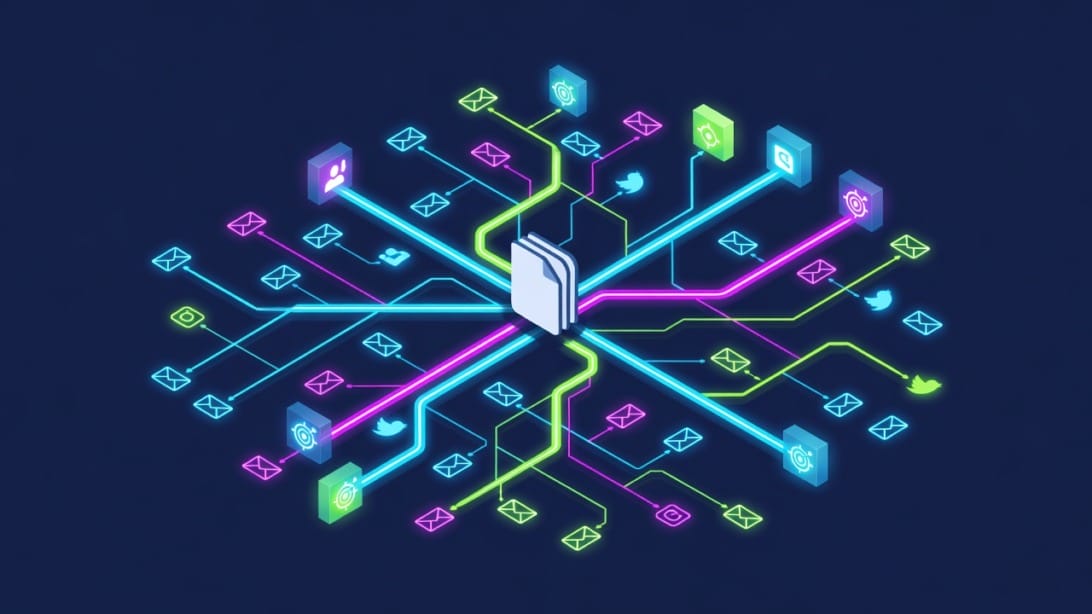
Cold email deserves its own section because it is one of the biggest gaps in most ebook marketing guides. Many articles mention email marketing, but they only discuss warm newsletters. B2B teams can use cold email to distribute high-value ebooks to tightly targeted accounts, start conversations, and learn what messaging resonates.
The rule is simple: do not use the ebook as bait. Use it as a helpful reason to reach out. If the resource is genuinely relevant, the email feels useful. If the audience is sloppy, it feels like spam.
Build a clean prospect list first
A cold ebook campaign starts with list quality. Define the industries, job titles, company sizes, technologies, hiring signals, funding signals, or pain triggers that make someone relevant. Do not send the same ebook to everyone with a marketing title. Relevance is your deliverability and conversion advantage.
Before sending, verify the list. FilterBounce is useful here because it supports CSV verification and API workflows with high accuracy. Removing risky addresses protects your sender reputation. High bounce rates can damage the domain you need for the rest of the campaign.
Use dedicated outreach infrastructure
Cold email should not be sent from your primary corporate mailbox if you are scaling campaigns. Use dedicated domains, properly configured DNS, and reliable inbox infrastructure. DoYouMail is a natural fit for this layer because it provides cold email infrastructure with SMTP, IMAP, unlimited email IDs at $39 per month, dedicated private IP, and bring-your-own-domain support.
Infrastructure does not replace good targeting or copy. It simply gives your messages a fair chance to reach the inbox. Pair it with authentication, warmup, gradual volume increases, and reply-focused copy. If you skip the fundamentals, even the best ebook will not save the campaign.
Write a reply-first ebook email
A reply-first email asks for permission or interest before sending the asset. This works because it creates a human interaction and avoids pushing a tracked download link immediately. Keep the first message short, specific, and low pressure.
Example structure:
- Personal observation about their role or company
- One sentence naming the problem the ebook solves
- One sentence explaining why the asset is useful
- A simple question: “Want me to send it over?”
This approach may create fewer instant clicks than a direct link, but it often creates higher-quality conversations.
Personalize by pain, not fake compliments
Personalization should prove relevance. “Loved your website” is weak. “Noticed your team is hiring SDRs while expanding into the US market” is stronger because it connects to a likely pain. Use personalization to explain why the ebook matters to them.
Mystrika’s AI writer and personalization features can help scale this without making every email sound robotic. The goal is to create useful variations by segment: founders, revenue leaders, demand gen managers, agency owners, or operations teams. Each segment should receive a different reason to care.
Use a simple 3-touch sequence
A cold ebook campaign does not need 10 touches. Start with three. The first email offers the resource. The second shares one insight from the ebook. The third offers a different angle or politely closes the loop. Keep every email short.
Mystrika’s cold email sequencer and unified inbox help manage these replies without losing context. Warmup helps protect sender reputation while the campaign ramps. The unified inbox matters because ebook campaigns often create conversations, not just clicks. You need to see and respond quickly.
Warm Email and Nurture Strategy
Warm email is where the ebook turns into pipeline. A download is not a buying signal by itself. It is an invitation to educate, segment, and observe behavior. The nurture sequence should help readers apply the ebook, not pressure them into a demo immediately.
Think of the sequence as a guided reading experience. Each email should point to one useful idea, ask one relevant question, or offer one next step. If every email is a pitch, engagement drops.
Send the asset instantly
The first email must deliver the ebook immediately. Delays create friction and reduce trust. Include the download link near the top, then briefly explain what to read first based on the reader’s likely goal. If the ebook is long, guide them to the most relevant chapter.
Also set expectations. Tell them they will receive a few practical follow-up emails with templates, examples, or implementation tips. This makes the nurture sequence feel helpful rather than surprising. The first email is a service moment, not a sales moment.
Segment by behavior
Segment readers based on behavior: downloaded only, clicked a case study, visited pricing, registered for a webinar, replied to a question, or ignored everything. Each behavior deserves a different follow-up. A reader who clicks a technical implementation link should not receive the same message as someone who only opened the delivery email.
Behavioral segmentation does not need to be complex at first. Start with three buckets: engaged, lightly engaged, and inactive. Send sales alerts only for high-intent behavior. This prevents sales from chasing people who only wanted the content.
Use a five-email nurture sequence
A practical five-email sequence looks like this: delivery, quick win, mistake to avoid, case study, and next step. The sequence should run over 10 to 14 days. That gives readers time to engage without feeling overwhelmed.
The quick-win email should help them apply one idea from the ebook. The mistake email should prevent a common failure. The case study should show the method in action. The next-step email can introduce your product, service, consultation, or webinar. This structure earns the pitch.
Ask one useful question
One of the best nurture tactics is asking a simple question: “What is the hardest part of implementing this right now?” Replies create sales conversations, but they also reveal market language. Those replies can improve your landing page, next ebook, sales scripts, and product messaging.
Do not ask five questions. Ask one. Make it easy to answer. The goal is not survey completeness. The goal is to create a natural conversation based on a problem the reader already has.
eBook Marketing Metrics and Attribution
Downloads are easy to count, but they are not enough. A serious ebook marketing campaign needs a measurement system that connects channel, conversion, engagement, qualification, opportunity, and revenue. Without this, teams overvalue cheap leads and undervalue smaller channels that produce better pipeline.
Set up measurement before launch. If you add attribution later, you will miss the early data that often contains the strongest signal.
Track conversion metrics
Conversion metrics show whether the landing page and offer are working. Track page visitors, form starts, form completions, conversion rate, source, device, and CTA placement. If traffic is high but conversions are low, the offer, page, or audience match is weak.
Use source-specific conversion rates. A 35% conversion rate from warm newsletter traffic and a 7% conversion rate from cold ads may both be acceptable because the traffic quality is different. Compare channels fairly rather than using one universal benchmark.
Track engagement metrics
Engagement metrics show whether readers care after downloading. Track delivery email opens, clicks, reply rates, chapter-specific link clicks, webinar registrations, template downloads, and return visits. If people download but never engage again, the asset may be overpromised or the nurture sequence may be weak.
For interactive guides, track scroll depth and section engagement. For PDFs, use follow-up clicks and related resource engagement as proxies. The goal is to understand which ideas create momentum.
Track sales metrics
Sales metrics connect the ebook to business outcomes. Track marketing-qualified leads, sales-qualified leads, meetings booked, opportunities created, pipeline value, win rate, and revenue. Also track time from download to opportunity. Some ebooks influence long buying cycles, so do not judge them only by immediate demos.
Attribution will never be perfect. Use it directionally. If one ebook repeatedly appears in journeys that become pipeline, it is working even if it is not the first or last touch. Combine analytics data with sales feedback for a more accurate picture.
Track cost and effort
Cost per lead is useful, but cost per qualified opportunity is better. Include production cost, design time, ad spend, software, partner fees, and team hours. A channel that creates cheap downloads but no sales conversations is not efficient.
Track effort too. A podcast tour may cost little money but require many founder hours. Paid ads may cost more cash but less executive time. The right mix depends on your constraints.
Budget Planning for eBook Marketing
Budget planning helps you choose tactics that match your resources. A solo founder, a small marketing team, and an enterprise demand generation team should not run the same campaign. The budget affects speed, channel mix, design quality, and measurement depth.
Here is a practical budget table:
| Budget Level | Best Tactics | What to Avoid | Expected Strength |
|---|---|---|---|
| $0 to $250 | Blog CTAs, newsletter, cold email, communities, LinkedIn posts | Broad paid ads | Learning and organic traction |
| $250 to $1,000 | Design polish, list verification, small retargeting, partner swaps | Complex funnels | Better conversion and cleaner outreach |
| $1,000 to $5,000 | LinkedIn retargeting, webinar, freelance design, podcast pitching | Untested broad campaigns | Scalable distribution tests |
| $5,000+ | Multi-channel paid, research report, interactive guide, partner campaigns | Vanity downloads | Pipeline-focused demand generation |
What to do with a tiny budget
With a tiny budget, focus on distribution channels that require time and precision rather than ad spend. Update existing blog posts, send to your newsletter, create LinkedIn posts, run a small cold email campaign, and ask partners to share. Spend money on list verification and design basics before ads.
The biggest mistake with a tiny budget is spreading effort too thin. Pick one audience segment and one main channel. Learn fast. Improve the offer. Then expand.
What to do with a mid-sized budget
With a mid-sized budget, invest in conversion improvements and controlled paid tests. Improve the landing page, create better visuals, run retargeting ads, and test LinkedIn Lead Gen Forms against your own landing page. Use small budgets to compare hooks before scaling.
Also consider a webinar or partner campaign. These often produce better lead quality than cold paid traffic because they add context and trust. The budget should support both reach and follow-up.
What to do with a larger budget
With a larger budget, create a campaign ecosystem. Commission original research, design interactive assets, run paid acquisition, sponsor newsletters, book podcast appearances, and build a retargeting sequence. But do not confuse spending with strategy. Large budgets can waste money faster.
Use stage gates. Scale only the channels that produce qualified engagement. Review quality weekly. If a channel produces downloads but no sales movement, fix targeting or pause it.
Case Studies and Real-World Examples
The best way to understand ebook marketing is to look at realistic scenarios. These are composite examples based on common B2B campaign patterns, not claims about specific private customer results.
The point is to show how the strategy changes by company type, audience, and goal.
Example 1: SaaS startup using an ebook to warm outbound accounts
A founder-led SaaS company sells compliance workflow software to operations leaders. Instead of leading cold outreach with a demo pitch, the team creates a 22-page guide: “The Operations Leader’s Audit Readiness Checklist.” The ebook includes a checklist, a sample audit calendar, and a vendor evaluation worksheet.
The team sends a reply-first cold email to 800 verified prospects over three weeks. People who reply receive the PDF directly. People who click but do not reply enter a light nurture. Sales only follows up when a prospect requests the worksheet or asks a question. This approach creates warmer conversations because the first interaction is useful.
Example 2: Agency using an ebook to qualify consulting leads
A B2B agency creates an ebook on improving LinkedIn ad economics. The landing page asks for work email and monthly ad spend range. The ad spend field helps the agency qualify without asking for a phone number. The ebook includes teardown examples and a campaign planning worksheet.
The agency promotes the ebook through founder LinkedIn posts, guest newsletters, and retargeting. The nurture sequence invites readers to submit one ad for a teardown. This creates a natural consulting conversation. The ebook works because it does not just educate. It creates a path to a specific diagnostic offer.
Example 3: Product company using an ebook for partner marketing
A product company selling email infrastructure partners with a verification tool and a cold outreach platform to create a deliverability guide. Each partner contributes a chapter and shares the asset with their audience. The campaign includes a webinar and a downloadable DNS checklist.
This works because the topic naturally involves all three tools. DoYouMail can speak to infrastructure, FilterBounce can speak to verification, and Mystrika can speak to sequencing, warmup, personalization, and unified inbox workflows. The reader gets a complete system instead of a one-sided pitch.

Common eBook Marketing Mistakes
Most ebook campaigns fail because they are too generic, too slow to follow up, or too focused on downloads. Avoiding a few common mistakes can dramatically improve campaign quality.
The mistakes below are preventable. Use them as a pre-launch review checklist.
Mistake 1: Writing for everyone
If the ebook is for everyone, the campaign has no sharp edge. Broad topics create broad landing pages, weak ads, and generic follow-up. Specific audiences create better examples and stronger conversion paths.
Before writing, name the audience in one sentence. If the sentence includes three industries, five roles, and four maturity stages, narrow it. You can always create versions later. Start with one clear reader.
Mistake 2: Gating weak content
Gating weak content damages trust. If the ebook repeats basic blog advice, readers feel tricked. They may unsubscribe or ignore future offers. A gate should protect high-value material, not hide thin content.
Before gating, ask: would someone feel glad they exchanged an email address for this? If not, improve the asset or ungate it. Trust compounds. Disappointment compounds too.
Mistake 3: Ignoring deliverability
Email promotion depends on deliverability. If your domain reputation is weak, your launch emails and cold outreach may never reach the inbox. This is especially important when sending to new lists or running outbound sequences.
Protect deliverability with verified lists, authenticated domains, gradual sending, warmup, relevant copy, and reply-focused campaigns. If you need the fundamentals, start with this guide to email deliverability. Mystrika’s warmup and sequencer can support this workflow, while DoYouMail can support the sending infrastructure and FilterBounce can reduce risky addresses before launch.
Mistake 4: Measuring only downloads
Downloads are a starting metric, not a final metric. A campaign can generate hundreds of downloads and zero pipeline if the audience is wrong or follow-up is weak. Measure engagement, qualification, and sales movement.
Create a simple dashboard before launch. Include source, conversion rate, email engagement, replies, sales-qualified leads, meetings, and opportunities. Review weekly and adjust quickly.
Mistake 5: Letting the campaign die after launch week
Launch week matters, but evergreen distribution creates long-term ROI. The ebook should keep appearing in blog posts, email signatures, sales follow-up, onboarding resources, partner pages, and retargeting campaigns. Treat it as a durable asset.
Set a 90-day promotion plan. If the ebook is still relevant after 90 days, refresh the landing page, add new examples, and keep promoting. If it is not relevant, the topic may have been too shallow or too trend-dependent.
eBook Marketing Checklist
Use this checklist before publishing and promoting your ebook. It turns the strategy into an execution plan.
Pre-launch checklist
Before launch, confirm the audience, promise, title, format, landing page, tracking, nurture sequence, sales handoff, and distribution calendar. Check that the form works, the asset downloads correctly, the thank-you page loads, and the CRM tags are applied.
Also proof the ebook on desktop and mobile. Open the PDF in multiple readers. Test all links. Confirm alt text on web images. If the ebook includes templates, make sure access permissions are correct. A broken download on launch day wastes attention.
Launch checklist
On launch day, publish the landing page, send the newsletter, update blog CTAs, notify sales, activate partner links, and post social assets. Check analytics in real time for broken UTMs, form errors, or traffic spikes from unexpected sources.
Assign one person to monitor replies and questions. Ebook launches often create feedback that can improve copy immediately. If several people ask the same question, add that answer to the landing page or follow-up email.
Post-launch checklist
After launch, review channel performance, landing page conversion, email engagement, reply quality, and sales feedback. Identify which audience segment responded best. Double down on that segment before expanding.
Schedule evergreen promotion tasks. Add the ebook to relevant blog posts, resource centers, onboarding sequences, sales templates, and partner pages. A good ebook should keep working long after launch week ends.
Recommended Tool Stack for eBook Marketing
The right tool stack depends on your campaign motion. You do not need 20 tools. You need reliable tools for creation, landing pages, tracking, verification, sending, sequencing, and CRM follow-up.
Keep the stack boring. Fancy tools do not fix weak positioning. Start with what is required to execute cleanly.
Creation and design tools
Use a writing tool, design tool, and proofing process. The final asset should look professional, but design should support comprehension. Use clean typography, strong section breaks, readable charts, and accessible contrast. Avoid fake complexity.
If the ebook includes data, show the source and methodology. If it includes templates, make them easy to copy. The goal is not to win a design award. The goal is to make the reader trust and use the content.
Verification and data hygiene tools
Data hygiene matters for both gated and outbound campaigns. Verify email addresses before cold outreach. Clean CSV imports. Remove role accounts, obvious typos, and risky addresses. FilterBounce fits naturally here because it supports CSV and API verification with high accuracy.
Verification is not optional if you care about deliverability. A small amount of bad data can create a large sender reputation problem. Clean data also improves reporting because you are not measuring responses from invalid contacts.
Sending and sequencing tools
For cold outreach, use dedicated infrastructure and sequencing. DoYouMail covers the infrastructure side with SMTP, IMAP, unlimited email IDs at $39 per month, dedicated private IP, and bring-your-own-domain support. Mystrika covers the outreach workflow with cold email sequencing, warmup, AI writing, personalization, unified inbox, and whitelabel capabilities starting at $15 per month.
This combination helps you separate infrastructure from campaign execution. The important thing is to keep messages relevant, volumes reasonable, and replies handled quickly. Tools support the process; they do not replace judgment.
Analytics and CRM tools
Your analytics and CRM should show which sources create qualified engagement. Use UTM parameters, CRM campaign fields, and lifecycle stages. If possible, connect form submissions to opportunity data. This lets you compare channels by pipeline, not just leads.
Keep naming conventions consistent. Use clear campaign names like `ebook_deliverability_2026_linkedin_retarg` instead of random labels. Clean naming prevents reporting confusion later.
How to Repurpose an eBook Into a Content Engine
A strong ebook should produce weeks or months of content. Repurposing is not lazy. It is how you extract full value from the research and thinking you already did.
The key is to adapt the content to each channel rather than copying and pasting. A chapter becomes a blog post. A checklist becomes a carousel. A framework becomes a webinar. A case study becomes a sales email.
Turn frameworks into social content
Frameworks are ideal for LinkedIn posts, carousels, and short videos because they are structured. Take one framework from the ebook and explain it in a concise post. Use examples. Invite discussion. Then link to the full guide for people who want depth.
Do not turn every post into a CTA. Alternate between educational posts and download-focused posts. If your feed only promotes the ebook, engagement will drop. Give value natively.
Turn chapters into nurture emails
Each chapter can become one nurture email. Summarize the core idea, give one practical tip, and link back to the ebook or a related resource. This extends the life of the asset and helps readers consume it in smaller pieces.
This is especially useful for long ebooks. Many readers download and forget. Email chapters bring them back into the content and create more chances for engagement.
Turn data into sales enablement
If the ebook includes benchmarks, checklists, or decision criteria, package those pieces for sales. A rep can send a one-page checklist after a call, use a benchmark in a follow-up, or attach the decision matrix to help an internal champion persuade their team.
This makes the ebook useful beyond marketing. Sales adoption is a sign that the content solves a real buyer problem.
Advanced eBook Marketing Ideas
Once the basics are working, advanced tactics can increase reach and conversion quality. Do not start here if your landing page, nurture, and tracking are broken. Advanced tactics amplify what exists.
Use these when you have a proven offer and want to expand distribution.
Create a diagnostic quiz
A quiz can convert better than a static landing page because it gives the reader a personalized outcome. For example, an ebook about deliverability could include a “domain readiness score” quiz. After answering a few questions, the reader receives a recommendation and the ebook.
The quiz also improves segmentation. Someone with low readiness should receive educational follow-up. Someone with high readiness may be closer to buying. Use quiz answers to tailor nurture paths.
Add a calculator or worksheet
Calculators and worksheets increase perceived value. A CAC calculator, deliverability checklist, budget planner, or launch timeline can make the ebook more actionable. These assets also give sales a stronger reason to follow up.
If you gate anything, consider gating the worksheet rather than the whole ebook. Readers get value from the guide, then trade contact information for the tool that helps them implement it.
Build an account-based version
For high-value target accounts, create a personalized version of the ebook landing page or outreach message. Reference the industry, company stage, or role. You do not need a custom ebook for every account. You need a custom entry point.
Account-based ebook marketing works best when sales and marketing coordinate. Marketing provides the asset and tracking. Sales uses account context to make the outreach relevant.
Key Takeaways
- Ebook marketing works best when the ebook is treated like a campaign hub, not a standalone PDF.
- The strongest campaigns define a narrow reader, a painful problem, a clear promise, and a post-download path before launch.
- Use a mix of owned, earned, paid, partner, and outbound channels instead of relying on one traffic source.
- Cold email can distribute ebooks effectively when lists are verified, domains are warmed, infrastructure is reliable, and the message is reply-first.
- Mystrika is useful for ebook outreach because it combines warmup, cold email sequencing, AI writing, personalization, a unified inbox, whitelabel options, and affordable pricing from $15 per month.
- DoYouMail fits the infrastructure layer with SMTP, IMAP, unlimited email IDs at $39 per month, dedicated private IP, and bring-your-own-domain support.
- FilterBounce fits the verification layer for cleaning CSVs and API-based email validation before outreach.
- Measure downloads, but optimize for engagement, replies, qualified leads, pipeline, and revenue.
- Repurpose the ebook into blog posts, social content, webinars, sales enablement, and nurture emails to extend campaign life.
Frequently Asked Questions
What is the best way to market an ebook?
The best way to market an ebook is to build a multi-channel campaign around one specific reader problem. Start with a strong landing page, promote the ebook through owned channels, repurpose chapters into SEO and social content, use partnerships for borrowed trust, and follow up with a helpful nurture sequence. For B2B campaigns, add cold email when you can target the exact accounts and roles that need the guide.
Should I gate my B2B ebook or leave it ungated?
Gate the ebook if it contains proprietary research, advanced templates, or a high-value playbook that justifies an email exchange. Leave it ungated if the main goal is reach, SEO, backlinks, or category education. A hybrid model often works best: publish a strong ungated guide, then gate the downloadable workbook, checklist, or extended PDF for readers who want implementation help.
What is the best format for a marketing ebook in 2026?
The best format depends on how your audience consumes content. PDFs are still useful because they are portable, easy to forward, and familiar. Interactive web guides are better for tracking engagement and embedding media. For lead generation, a bundle often performs best: a PDF guide, a checklist, and a spreadsheet or worksheet that helps the reader act on the advice.
How long should a lead generation ebook be?
A lead generation ebook should be as long as needed to solve the promised problem without filler. Many B2B ebooks fall between 3,000 and 10,000 words, but word count is less important than usefulness. A 12-page checklist with original examples can outperform a 50-page generic guide. Use page count as a packaging decision, not a quality measure.
How can I track ebook downloads accurately?
Track ebook downloads with UTM parameters, form submissions, CRM campaign fields, and source-specific landing pages. Connect the data to downstream actions such as email clicks, replies, webinar registrations, meetings booked, opportunities created, and revenue. Do not stop at raw downloads. The useful question is which channels produce qualified engagement and pipeline.
Can cold email really work for promoting an ebook?
Yes, cold email can work very well when the ebook is genuinely relevant to the recipient. The best approach is reply-first: send a short, personalized note that offers the resource and asks whether they want it. Use verified lists, dedicated infrastructure, warmup, and a sequencer so the campaign stays compliant, relevant, and manageable.
What should an ebook landing page include?
An ebook landing page should include a benefit-driven headline, a short explanation of who the guide is for, three to five specific bullets, a visual of the asset, proof of credibility, a short form, and one clear CTA. It should also explain what happens after submission. Avoid clutter, vague promises, and unnecessary form fields that create friction.
How do I promote an ebook with no advertising budget?
Promote an ebook with no ad budget by using owned and earned channels first. Add CTAs to relevant blog posts, send it to your newsletter, post useful excerpts on LinkedIn, share it in communities where you already participate, ask partners to mention it, pitch podcasts, and use targeted cold email. Spend effort on relevance and distribution consistency instead of paid reach.
What email sequence should I send after an ebook download?
A simple five-email sequence works well: immediate delivery, quick win, mistake to avoid, case study, and next step. The delivery email should provide the asset and set expectations. The quick-win email helps the reader apply one idea. The case study proves the method. The final email can introduce your product, consultation, webinar, or another relevant resource.
How do I know if an ebook campaign is successful?
An ebook campaign is successful when it attracts the right audience and moves them toward meaningful business outcomes. Track landing page conversion, download quality, email engagement, replies, sales-qualified leads, meetings, opportunities, and revenue. A campaign with fewer downloads but better pipeline impact is usually more valuable than a campaign with many low-fit leads.
How should Mystrika fit into an ebook marketing workflow?
Mystrika fits into the outbound and follow-up side of ebook marketing. You can use it to warm up sending accounts, write and personalize cold email messages with AI, sequence ebook outreach, manage replies in a unified inbox, and support whitelabel outreach operations. It is most useful when the ebook is used to start relevant conversations with a defined B2B audience.